Insulation Company in Los Angeles, CA
Blown in insulation is the workhorse solution for most Los Angeles homes, particularly the 1920s-1950s stucco bungalows and duplexes that dominate South LA, Boyle Heights, and the surrounding ZIPs. These houses were built before energy codes required attic insulation, and the original lath-and-plaster walls and low-pitch roofs leave minimal room to work. What makes Los Angeles jobs different from anywhere else is the cooling load: attics here routinely hit 150°F in summer, and that heat radiates down through the ceiling every afternoon. Hollywood Insulation Co has served Los Angeles since 2018, and we approach every job by asking one question first: where is the heat actually getting in? Call (866) 605-6949 for an assessment that starts with the answer, not a sales pitch.
Why Los Angeles Homes Are Different
Los Angeles insulation work is dominated by cooling, not heating. In a mild, sunny climate where summer heat gain through unshaded roofs and west-facing walls drives bills more than winter heat loss, the job is blown-in attic insulation, radiant barriers, and reflective surfacing that keep 1930s-1960s bungalows livable without cranking AC. That cooling-first reality is compounded by Title 24 cool-roof and insulation requirements that are stricter here than in most of the country, so the insulation you install has to perform against solar gain, not just fill space.
The housing stock tells the same story. The ZIPs we cover across central and South Los Angeles are filled with single-story stucco homes from the 1920s through the 1950s, many with uninsulated or minimally insulated attics, knob-and-tube-era wiring, and original lath-and-plaster walls. A large share are rentals, which means insulation work often runs through property owners responding to Section 8 inspection requirements or tenant comfort complaints rather than owner-occupants planning a long-term upgrade. The dry climate means less moisture and vapor concern than in coastal or humid markets, but summer attic temperatures above 150°F degrade standard materials faster than homeowners expect, and the marine layer mornings followed by hot afternoons mean insulation has to handle wide daily temperature swings without sagging, settling, or losing R-value.
In South LA and Boyle Heights specifically, the low-pitch or flat roofs with minimal attic clearance make blown-in insulation a crawl-and-squeeze job. Technicians work in tight spaces where fiberglass batts won’t lay cleanly, and the dense tract pattern means one homeowner’s upgrade is often quoted side-by-side with the neighbor’s. We regularly do multi-house blocks in a single day because once you’ve mapped one attic on the street, you know what the next three will look like.
Our Main Los Angeles Services
Most Los Angeles homeowners call us about two things: getting their attic insulated without tearing the house apart, and air-sealing older construction with spray foam where nothing else will reach. Here is what each involves here.
Attic Insulation in Los Angeles
Attic insulation in Los Angeles is about stopping ceiling heat transfer from a roof deck that bakes in the sun all day. In the 1920s-1950s bungalows across South LA and Boyle Heights, the attic is often cramped, low-pitched, and partially filled with old material that has settled to half its original depth. We assess existing R-value, check for thermal bypasses around recessed lights and chimney chases, and recommend either blowing new insulation over what’s there or removing degraded material first. In these tight attics, blown-in is usually the method that fits, but spray foam has its place where air sealing matters most. See Attic Insulation in Los Angeles for the full breakdown.
Spray Foam Insulation in Los Angeles
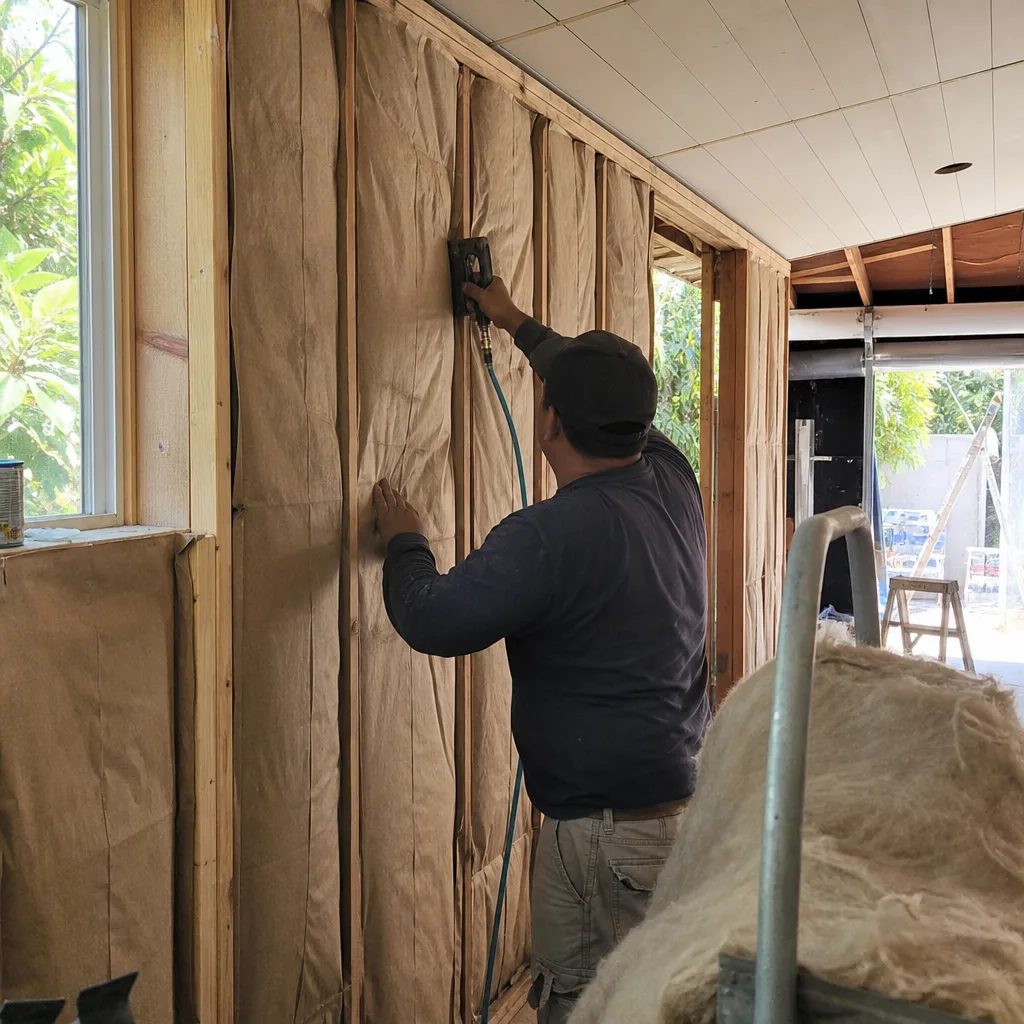
Spray foam in Los Angeles earns its keep on the west-facing walls and roof decks that absorb brutal afternoon sun. Icynene open-cell and Demilec closed-cell systems both air-seal and insulate in one step, which matters in older homes where the building envelope leaks air through lath-and-plaster cracks and gaps around framing. Closed-cell foam adds moisture and structural benefits, open-cell is quieter and more forgiving in tight cavities. In the dense rental stock across central Los Angeles, spray foam is often the fastest path to a Title 24-compliant envelope when a unit is being remodeled between tenants. Read Spray Foam Insulation in Los Angeles for material options and cost details.
What happens when you call
- 1
A real person answersNo phone trees — you reach a local pro.
- 2
You get an upfront price rangeHonest numbers before anyone is dispatched.
- 3
A background-checked tech heads outLicensed & insured, dispatched right away.
- 4
You approve before work beginsNothing starts until you say go.
Blown In Insulation in Los Angeles
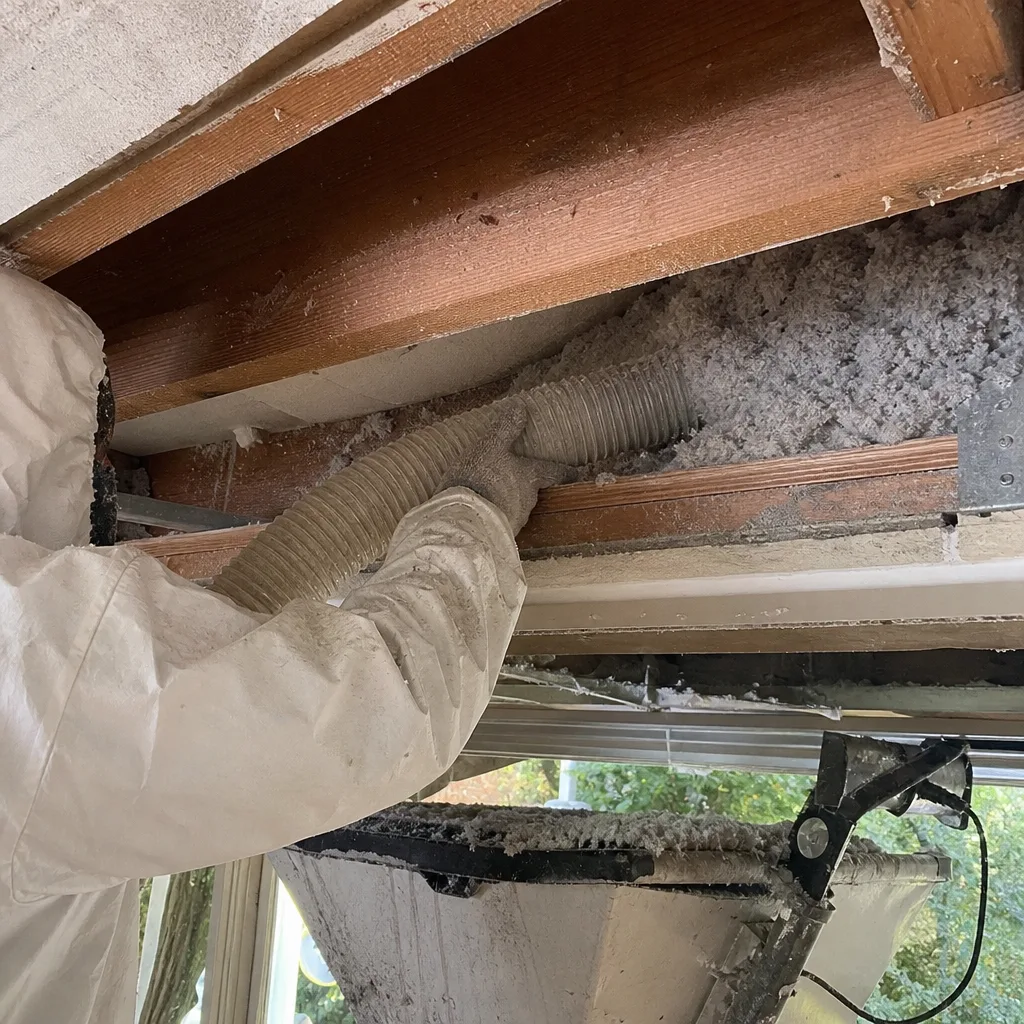
Blown in insulation is the most common job we perform in Los Angeles because it is the only method that reaches every corner of a cramped, low-clearance attic without major demolition. In the 1920s-1950s stucco bungalows across South LA and Boyle Heights, attics are often too tight for batt installation, and the intense summer heat radiating from the roof deck means an even, consistent layer of loose-fill insulation is the difference between a house that holds cool air and one that runs the AC nonstop from June through October. We install both recycled cellulose and fiberglass loose-fill, and we match the material to the attic because a narrow access hatch or existing knob-and-tube wiring changes what’s safe and effective. For more on the method itself, see Blown In Insulation.
Cellulose Insulation
Signs you need it
Your attic has old, settled insulation less than 6 inches deep, or you can see bare ceiling joists between loose patches.
What it costs in Los Angeles
Blown-in cellulose in Los Angeles typically runs $1.50 to $3.50 per square foot depending on attic depth and access.
How we do it
We run a hose to the attic access, trace the perimeter to confirm depth markers, and blow GreenFiber recycled cellulose to an even R-38 cover across the entire ceiling plane.
Blown In Attic Insulation
Signs you need it
Rooms under the ceiling feel 10 to 20 degrees hotter than the rest of the house by mid-afternoon in summer.
What it costs in Los Angeles
A full blown-in attic insulation job in Los Angeles typically falls between $1.50 and $4.50 per square foot, with most 1,200-square-foot attics landing in the $2,000 to $4,000 range.
How we do it
We clear the access path, set depth markers, seal obvious bypasses like plumbing penetrations, and blow fiberglass or cellulose to the target R-value in one continuous pass.
Loose Fill Insulation
Signs you need it
The existing attic insulation is patchy, wind-blown into drifts, or compressed where tradespeople walked through it over the years.
What it costs in Los Angeles
Loose fill insulation in Los Angeles runs $1.50 to $4.50 per square foot, with smaller attics and partial top-ups on the lower end of that range.
How we do it
We dense-pack or loose-blow the material across the ceiling plane, working from the far end back toward the hatch so we never walk on finished areas.
What Blown In Insulation Costs in Los Angeles
| Item | Typical range in Los Angeles |
|---|---|
| Blown-in insulation (materials and labor) | $1.50 – $4.50 per sq ft |
| Full attic for a 1,200 sq ft bungalow | $2,000 – $4,000 |
| Attic top-up over existing insulation | $1.50 – $2.50 per sq ft |
Can you blow insulation into an attic that has knob-and-tube wiring?
No, and you should not. Loose-fill insulation over live knob-and-tube wiring is a fire hazard and violates code. The wiring must be decommissioned or rewired first, then we can insulate safely.
How long does a blown-in insulation job take in Los Angeles?
Most attics in this area are done in three to five hours. Tight-access bungalows, especially with flat roofs in Boyle Heights, can run a full day because the technician moves slowly through low-clearance spaces. Call (866) 605-6949 to schedule a walk-through.
Brands We Service in Los Angeles
We install products from eight recognized manufacturer brands, and the Los Angeles trucks stay stocked with CertainTeed fiberglass, Icynene and Demilec spray foam systems, and GreenFiber recycled cellulose. Because we carry the full material range, we do not have to substitute what happens to be on the truck for what the home actually needs. See our brands for the complete list and material specifications.
Pricing for Insulation Company in Los Angeles, CA
| Service | Typical range in Los Angeles |
|---|---|
| Blown-in insulation (materials and labor) | $1.50 – $4.50 per sq ft |
| Full blown-in attic for a 1,200 sq ft bungalow | $2,000 – $4,000 |
| Cellulose insulation | $1.50 – $3.50 per sq ft |
| Loose fill insulation | $1.50 – $4.50 per sq ft |
| Blown in attic insulation | $1.50 – $4.50 per sq ft |
| Blown in fiberglass insulation | $1.50 – $3.50 per sq ft |
| Blown in cellulose insulation | $1.50 – $3.50 per sq ft |
| Attic top-up over existing insulation | $1.50 – $2.50 per sq ft |
What pushes price up in Los Angeles is attic access. A flat-roof bungalow with a 14-inch scuttle hole and no walkable floor space takes longer and costs more than a gable-roof attic with a full-height access door. Every quote we give is a fixed, upfront number, not an estimate subject to add-ons at the end.
Neighborhoods We Serve in Los Angeles
We work throughout the central and south Los Angeles basin, from the dense fourplex blocks of Koreatown through the bungalow tracts of South LA and the hillside streets around Echo Park and Silver Lake. Our crews are in these neighborhoods every day, and we route jobs so a crew working one block can usually reach the next call within the same day.
- South Los Angeles
- Boyle Heights
- Koreatown
- West Adams
- Vermont Square
Service Area – Cities Near Los Angeles
Beyond the Los Angeles ZIPs, we regularly send crews to the surrounding neighborhoods that share the same housing stock and summer heat patterns. If you live in Koreatown, CA, Echo Park, CA, Silver Lake, CA, or Hollywood, CA, the same Los Angeles-based technicians cover your area on the same rotation, with no separate scheduling queue.
Serving Los Angeles, CA — Our Local Coverage Area
We’re based in the Los Angeles area and know this community well. Use the map below to see our service coverage — if you’re nearby, we can almost certainly help.
FAQs About Insulation Company in Los Angeles
Most jobs in central and South Los Angeles are scheduled within three to five business days, and we run crews in overlapping service zones so a technician already working nearby can often reach a call the same or next day. Emergency or time-sensitive rental-turnover jobs get priority routing when you explain the situation on the phone.
Most attic insulation and blown-in work does not require a separate permit in Los Angeles when it is part of routine maintenance, but Title 24 energy compliance applies to any remodel that touches the building envelope. We can tell you during the quote whether your specific project falls into the permit category and what the Title 24 insulation requirements mean for the material and R-value you choose.
Yes, and a large share of our Los Angeles work is rental units where the owner is responding to Section 8 inspection requirements or tenant heat complaints. We are used to working around tenant schedules, coordinating access through property managers, and providing the documentation owners need for housing authority files. Call (866) 605-6949 and we will walk you through what the inspection requires.
What happens when you call
- 1A real person answersNo phone trees — talk to a local insulation pro.
- 2You get an upfront price rangeHonest numbers before anyone is dispatched. No surprises.
- 3A background-checked tech heads outLicensed & insured, typically within 30–60 min.
- 4You approve before work beginsNothing starts until you say go.
What Los Angeles Customers Say
"Work is good and the house is noticeably more comfortable. There was insulation debris left in the hall closet under the attic access that I had to clean up."
— Miguel Garcia"Plastic laid from the front door to the attic hatch and they vacuumed the hallway afterward."
— Heather Walsh"Attic was at maybe R-11 from the 1970s and blown in over the top would have just buried the problem. They removed the old material, air sealed the top plates and penetrations first, then blew in to R-49. The upstairs is a completely different house in August."
— Cole Sullivan