
Insulation Company in Colton, CA
Most Colton homes were built for a different climate than the one we live in now. The mid-century tract houses that make up much of the 92324 stock went up with thin fiberglass batts, and decades of triple-digit summers have settled and degraded what little was there. We specialize in blown in insulation for Colton because it’s the fastest, most practical way to bring an older attic back up to modern R-value without tearing out ceilings or rebuilding roof decks. Whether you’re off La Cadena Drive or up near the 10 freeway, we can assess what’s in your attic today and get it fixed, usually in a single visit. Call (866) 605-6949 for an honest read on your home’s insulation.
Why Colton Homes Are Different
Colton sits in the hottest part of the Inland Empire basin. Summer temperatures routinely climb past 100°F, which means your attic can hit 140°F or more by mid-afternoon. That heat doesn’t stay in the attic. It radiates down through your ceilings and forces your AC to fight all day long. The homes here were largely built between the 1940s and 1970s for rail yard and agricultural workers – wood framed, low-pitch roofs, and insulation that was minimal even by the standards of the day. What we find in Colton attics is consistent: original fiberglass batts or loose fill drifted thin, compressed to an effective R-11 or less in homes that need R-38 to R-60 for this climate. The flat and low-slope roofs common in older tracts also complicate ventilation, which is why radiant barrier and proper baffling matter more here than in coastal cities. Add in Santa Ana wind events that pull conditioned air out through every gap, and you have a housing stock that was never set up for modern cooling loads. Colton is fundamentally a re-insulation market, not a new-construction one, and the work here is about correcting what was undersized from the start.
Our Main Colton Services
Most Colton homeowners call us about two things: attic insulation that’s too thin or too settled to do its job, and spray foam for homes where air sealing is the real problem. Here’s how each one works here.
Attic Insulation in Colton
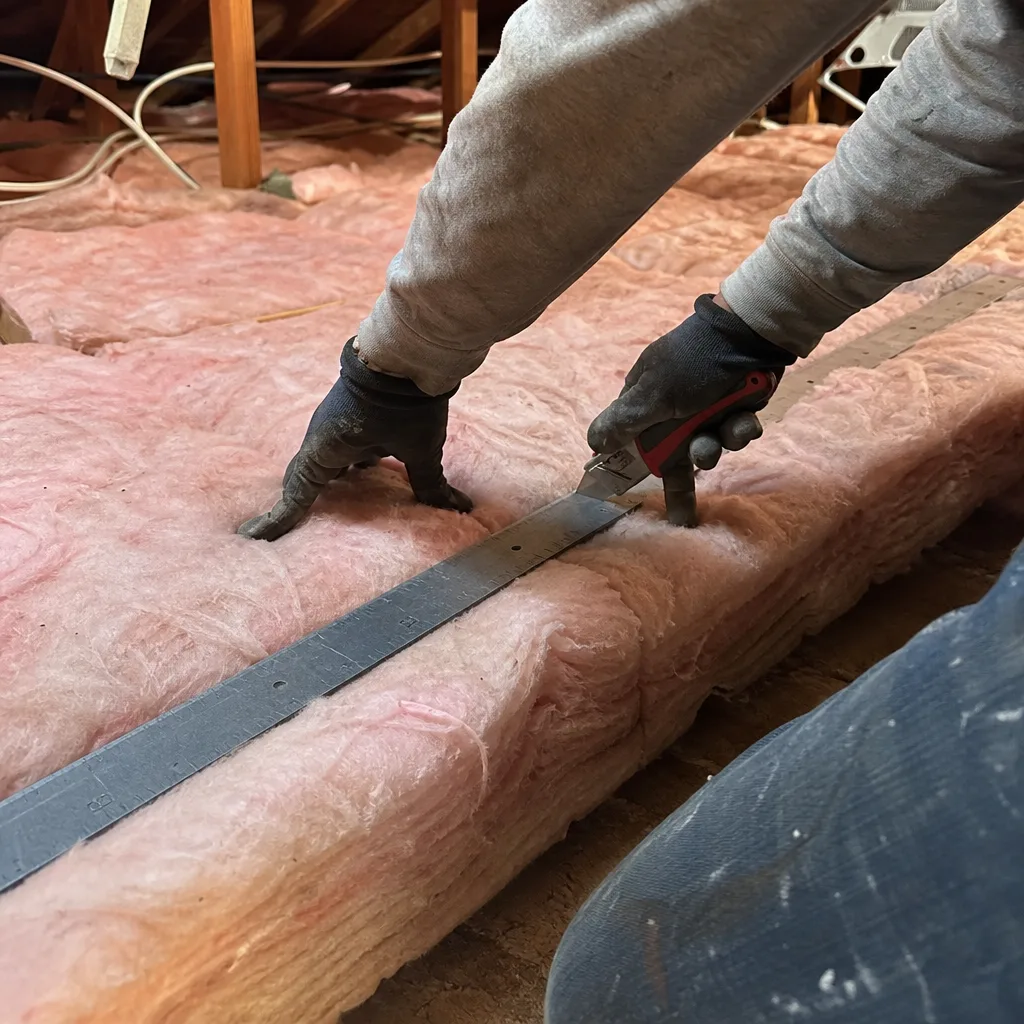
The majority of Colton attics we see have blown-in fiberglass or cellulose that’s drifted down to R-11 or less, leaving the home’s top floor five to ten degrees hotter than the rest of the house in summer. Attic insulation here means removing or topping off what’s degraded, air sealing the penetrations that let conditioned air escape, and building the attic back up to an R-value that actually matches the Inland Empire heat load. Low-pitch roofs make access tight on some of the older tracts, so we’re used to working in spaces where you can’t stand up. Read more about how we handle Attic Insulation in Colton.
Spray Foam Insulation in Colton
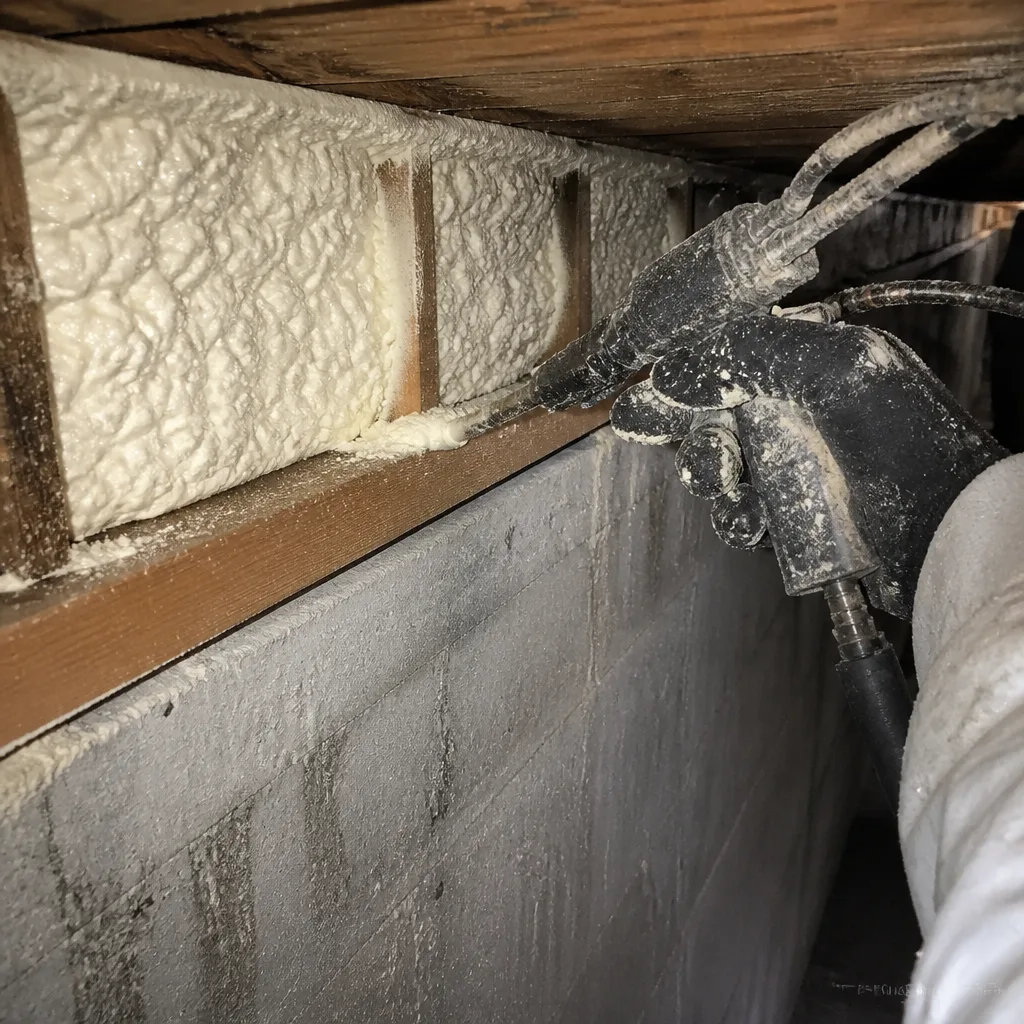
For Colton homes with flat roofs, odd attic geometry, or serious air leakage around the top plate, spray foam does what loose fill can’t: it seals and insulates in one pass. We install both open-cell and closed-cell systems from Icynene and Demilec, and on the older rail-yard side of town, closed-cell’s moisture resistance and structural rigidity often make it the right call on low-slope roof decks. The Santa Ana winds that whip through the Inland Empire make air sealing a bigger deal here than it is in milder climates. Learn more about Spray Foam Insulation in Colton.
What happens when you call
- 1
A real person answersNo phone trees — you reach a local pro.
- 2
You get an upfront price rangeHonest numbers before anyone is dispatched.
- 3
A background-checked tech heads outLicensed & insured, dispatched right away.
- 4
You approve before work beginsNothing starts until you say go.
Blown In Insulation in Colton
Blown in insulation is the workhorse fix for Colton’s older homes. The city’s post-WWII tract houses have attics that were insulated decades ago, often with materials that have since settled, compressed, or simply blown thin and drifted aside under years of intense attic heat. Blown-in material lets us reach into the tight, awkward spaces of a low-pitch roof and build the attic back up to a real R-value, so your AC doesn’t have to run all afternoon just to hold 78°F. It’s the most common job we do in Colton because it solves the biggest problem here – cooling-season heat gain through an under-insulated ceiling. This is the core of our work, and our full method is explained on our Blown In Insulation page.
Cellulose Insulation
Signs you need it
Your attic insulation has settled to where the ceiling joists are visible and exposed, meaning your attic is running well under R-19 and letting heat pour into the living space.
What it costs in Colton
Dense-packed cellulose in a standard Colton attic runs $1.50 to $3.50 per square foot installed, with most homes landing between $2,200 and $5,500 depending on depth and access.
How we do it
We air-seal the ceiling penetrations first, then blow GreenFiber recycled cellulose to the depth the Inland Empire climate calls for, using a two-person crew with a calibrated blower and depth markers every few feet.
Blown In Fiberglass Insulation
Signs you need it
Your energy bills climb every summer while upstairs rooms stay hot, because the original fiberglass batts have compressed to a fraction of their rated R-value.
What it costs in Colton
Blown-in fiberglass in Colton typically lands between $1.20 and $3.00 per square foot, with most full attic projects in the 92324 running $2,000 to $4,800.
How we do it
We remove or top off the degraded material, seal the plate lines and any chase openings, then blow fiberglass to a consistent depth that hits the R-value we agreed on before we started.
What Blown In Insulation Costs in Colton
| Item | Typical range in Colton |
|---|---|
| Blown-in fiberglass, full attic | $2,000 – $4,800 |
| Blown-in cellulose, full attic | $2,200 – $5,500 |
| Air sealing (add-on) | $400 – $1,200 |
What pushes the number up in Colton is access. Flat and low-slope roofs on the older tracts mean tighter attics, and homes that still have vermiculite or badly degraded material need removal before we can blow anything new. We price all of this upfront, before we start, so the number you approve is the number you pay.
How long does blown in insulation last in Colton?
Cellulose and fiberglass both hold their R-value for decades when installed correctly and kept dry. The bigger issue in Colton is what was installed 40 or 50 years ago, not what we install today.
Can you blow insulation over old insulation in Colton?
Usually yes. If the existing material is dry and hasn’t been contaminated by pests, we can blow new material right over it to get the total depth you need. We only remove it when it’s degraded, damp, or too thin to build on.
Brands We Service in Colton
We carry eight manufacturer brands across fiberglass, mineral wool, spray foam, and cellulose, so the material we recommend is the one that actually fits your Colton home, not whatever happens to be on the truck. Rockwool mineral wool and CertainTeed fiberglass cover the batt side, Icynene and Demilec cover closed-cell and open-cell spray foam, and GreenFiber cellulose handles the blown-in work we do most often here. We stock the common depths and densities locally and can have specialty orders in within days. See the full lineup on our our brands page.
Pricing for Insulation Company in Colton, CA
| Service | Typical range in Colton |
|---|---|
| Blown-in fiberglass attic | $2,000 – $4,800 |
| Blown-in cellulose attic | $2,200 – $5,500 |
| Spray foam, open-cell attic | $3,500 – $7,500 |
| Spray foam, closed-cell attic | $4,500 – $9,500 |
| Fiberglass batt attic (R-38) | $1,800 – $3,600 |
| Mineral wool batt attic | $2,200 – $4,200 |
| Air sealing | $400 – $1,200 |
| Radiant barrier | $800 – $1,800 |
Two things push Colton pricing up: attic access on flat and low-slope roofs, and removal when the original material is vermiculite or so degraded it can’t be built on. Every quote we give is fixed upfront, and the price we agree on is the price on the invoice.
Neighborhoods We Serve in Colton
Hollywood Insulation Co has served Colton since 2018, and our crews are in the area every week. We work throughout the 92324, from the older tracts near the rail yard over to the neighborhoods south of the 10 and up toward the hills. Typical response time for a Colton estimate is one to two business days, and emergency attic work can often be scheduled same week.
- Downtown Colton
- South Colton
- La Cadena area
- Reche Canyon foothills
- North Colton near the 10
Service Area – Cities Near Colton
We also cover the surrounding Inland Empire communities, including Grand Terrace, CA, Highgrove, CA, Loma Linda, CA, and Rubidoux, CA. If you’re just outside Colton, call us and we’ll let you know when we’re in your area next.
Serving Colton, CA — Our Local Coverage Area
We’re based in the Colton area and know this community well. Use the map below to see our service coverage — if you’re nearby, we can almost certainly help.
FAQs About Insulation Company in Colton
We’re in Colton weekly, and most estimates happen within one to two business days of your call. If your attic is open and an emergency, like exposed wiring or a pest problem, we can often schedule the actual work within the same week.
Most re-insulation work in Colton doesn’t require a permit because it’s classified as maintenance rather than structural work. The exception is when insulation is part of a larger remodel. We can tell you upfront whether your specific project needs one.
We schedule half-day and full-day windows and we’re set up for the tight attic access common in Colton’s older homes. Attic work is done from the attic, so it rarely disrupts the rest of the house. Call (866) 605-6949 to line up a time that works.
What happens when you call
- 1A real person answersNo phone trees — talk to a local insulation pro.
- 2You get an upfront price rangeHonest numbers before anyone is dispatched. No surprises.
- 3A background-checked tech heads outLicensed & insured, typically within 30–60 min.
- 4You approve before work beginsNothing starts until you say go.
What Colton Customers Say
"Work is good and the house is noticeably more comfortable. There was insulation debris left in the hall closet under the attic access that I had to clean up."
— Miguel Garcia"Plastic laid from the front door to the attic hatch and they vacuumed the hallway afterward."
— Heather Walsh"Attic was at maybe R-11 from the 1970s and blown in over the top would have just buried the problem. They removed the old material, air sealed the top plates and penetrations first, then blew in to R-49. The upstairs is a completely different house in August."
— Cole Sullivan