Insulation Company in Rolling Hills Estates, CA
Blown in insulation is the most common request we handle in Rolling Hills Estates, and for good reason. The mid-century ranch and hillside homes that dominate the Peninsula were built when R-value standards were barely an afterthought, leaving attics that bleed heat in winter and pull damp marine air through every gap in summer. Hollywood Insulation Co has served Rolling Hills Estates since 2018, and we approach every job here differently than we would inland, because the coastal conditions demand it. Call us at (866) 605-6949 for a free estimate.
Why Rolling Hills Estates Homes Are Different
Rolling Hills Estates sits on the Palos Verdes Peninsula, where the marine layer keeps the coast cool and damp year-round. That changes what insulation actually needs to do here. Homes are more likely to need moisture-control and cool-roof strategies than heavy cooling insulation. Insulation in this city is as much about preventing condensation and damp intrusion as thermal R-value, a coastal-Peninsula concern that inland South Bay cities like Torrance and Gardena don’t share in the same way.
The housing stock makes it more complicated. Much of Rolling Hills Estates is built out with mid-century ranch and custom hillside homes from the 1950s through 1970s, plus gated estates with vaulted, open-beam ceilings and exposed rafters. Those open-beam designs look beautiful, but they create hard-to-insulate cavities and thermal bridging that let conditioned air escape and marine moisture settle where it shouldn’t. We regularly find damp batt insulation and mold-prone rafter bays in Peninsula homes, not just inadequate R-value.
Hillside and canyon-edge lots add another layer. Vented attics on these properties often see condensation on cold sheathing because the foggy coastal air finds its way into every soffit and gap. A proper insulation job here means addressing vapor management first, then adding the right thermal barrier for how the home actually performs.
Our Main Rolling Hills Estates Services
Rolling Hills Estates homeowners call us most about two specific insulation jobs, each with its own set of local challenges and its own dedicated page.
Attic Insulation in Rolling Hills Estates
Attic insulation is the highest-impact upgrade for most Peninsula homes. In Rolling Hills Estates, we focus on sealing the thermal envelope while managing the marine-layer moisture that accumulates in vented attics and rafter bays. Older ranch homes here often have settled fiberglass with an effective R-value far below what the label suggests. We inspect for damp batts, mold-prone sheathing, and bypasses around recessed lights and attic hatches before recommending the right material. Attic Insulation in Rolling Hills Estates
Spray Foam Insulation in Rolling Hills Estates
Spray foam solves problems that batts and blown-in insulation cannot, which matters in Rolling Hills Estates where hillside homes have irregular framing, exposed beams, and hard-to-reach cavities. Closed-cell foam like Demilec adds structural rigidity and moisture resistance, while open-cell Icynene handles air sealing at a lower material cost. For vaulted ceilings and open-beam construction, spray foam is often the only method that actually works without tearing into the roofline. Spray Foam Insulation in Rolling Hills Estates
What happens when you call
- 1
A real person answersNo phone trees — you reach a local pro.
- 2
You get an upfront price rangeHonest numbers before anyone is dispatched.
- 3
A background-checked tech heads outLicensed & insured, dispatched right away.
- 4
You approve before work beginsNothing starts until you say go.
Blown In Insulation in Rolling Hills Estates
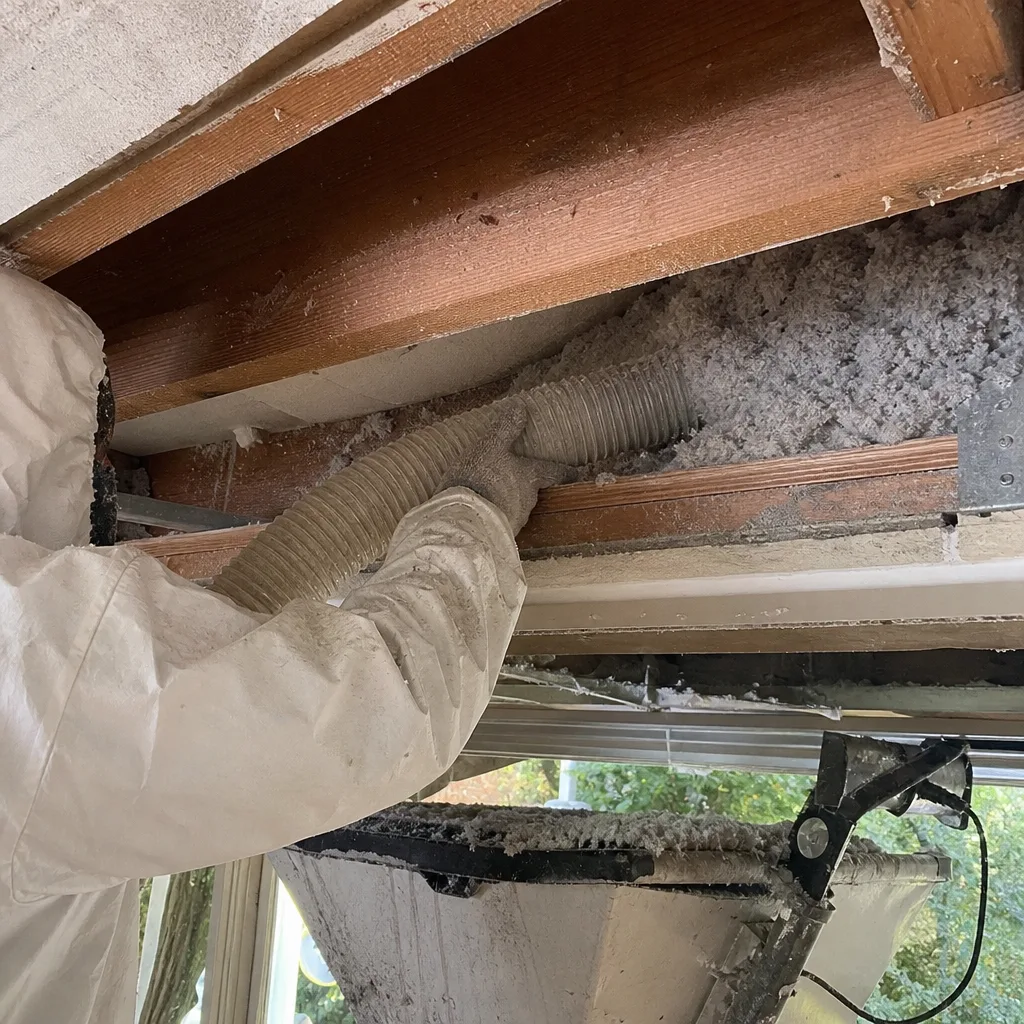
Blown in insulation is the workhorse solution for Rolling Hills Estates attics, particularly in the mid-century ranches where access is tight and the existing insulation has settled or blown thin. Loose fill material gets into every odd corner, around framing, and over irregular ceiling joists far better than batts ever will. The coastal marine layer makes material choice here critical, because some blown-in products will absorb moisture that leads to mold in rafter bays. We typically recommend GreenFiber cellulose for Peninsula homes because its borate treatment deters mold and it settles into a denser, more effective thermal barrier than blown fiberglass. Learn more about the method on our Blown In Insulation page.
Cellulose Insulation
Signs you need it
Your attic insulation has settled below the top of the ceiling joists, or you feel cold drafts near interior walls on foggy Peninsula mornings.
What it costs in Rolling Hills Estates
Blown-in cellulose insulation in Rolling Hills Estates typically runs $1.50 to $3.50 per square foot installed, with most attic jobs landing between $1,800 and $4,200.
How we do it
We dense-pack or loose-fill the cellulose to the target depth using a commercial blower, then verify even coverage with depth markers.
Blown In Attic Insulation
Signs you need it
Upstairs rooms stay cold all winter while the furnace runs constantly, or you see damp spots on the attic sheathing after foggy nights.
What it costs in Rolling Hills Estates
A full attic blow-in for a typical Rolling Hills Estates ranch runs $1,500 to $3,500 depending on square footage and whether we need to remove old material first.
How we do it
We air-seal penetrations first, install baffles where soffit vents exist, then blow insulation to the R-value specified for the Peninsula climate.
Blown In Cellulose Insulation
Signs you need it
Your existing attic insulation is thin, dusty, or shows signs of moisture absorption common in coastal homes.
What it costs in Rolling Hills Estates
Blown-in cellulose for a standard Rolling Hills Estates attic costs $1.50 to $3.50 per square foot, with most projects in the $2,000 to $3,800 range.
How we do it
We use GreenFiber cellulose with its borate mold-inhibiting treatment, blown to the proper depth and density for the damp coastal air.
What Blown In Insulation Costs in Rolling Hills Estates
| Item | Typical range in Rolling Hills Estates |
|---|---|
| Blown-in attic insulation (full attic, existing home) | $1,500 – $3,800 |
| Blown-in cellulose (per square foot installed) | $1.50 – $3.50 |
| Attic air sealing plus blow-in | $2,200 – $4,500 |
Prices move up in Rolling Hills Estates when we need to remove old damp insulation first, when attic access is tight on hillside lots, or when vaulted ceilings require specialty dense-packing. We quote the full scope upfront so there are no surprises.
Is blown in insulation better than batts for Rolling Hills Estates attics?
For most Peninsula attics, yes. Blown-in material fills irregular cavities, covers framing, and creates a continuous thermal blanket that batts cannot match in older homes. Cellulose also resists the moisture issues common in coastal attics.
Can you blow insulation over existing material in Rolling Hills Estates?
Usually yes, provided the existing material is dry and not moldy. In Rolling Hills Estates we often find damp batts from marine-layer condensation, and those need removal first. We inspect before recommending anything. Call (866) 605-6949 for a free attic evaluation.
Brands We Service in Rolling Hills Estates
We install products from eight recognized manufacturers and keep the ones that matter most for Peninsula homes ready to go. For Rolling Hills Estates we stock CertainTeed fiberglass, GreenFiber cellulose, and Demilec and Icynene spray foam systems, which covers nearly every coastal attic scenario. See our brands for the full lineup.
Pricing for Insulation Company in Rolling Hills Estates, CA
| Service | Typical range in Rolling Hills Estates |
|---|---|
| Blown-in attic insulation (full attic, existing home) | $1,500 – $3,800 |
| Blown-in cellulose (per square foot installed) | $1.50 – $3.50 |
| Blown-in fiberglass (per square foot installed) | $1.25 – $2.50 |
| Attic air sealing plus blow-in | $2,200 – $4,500 |
| Spray foam, open-cell (per board foot) | $0.80 – $1.50 |
| Spray foam, closed-cell (per board foot) | $1.50 – $2.50 |
| Attic insulation removal (per square foot) | $1.00 – $2.00 |
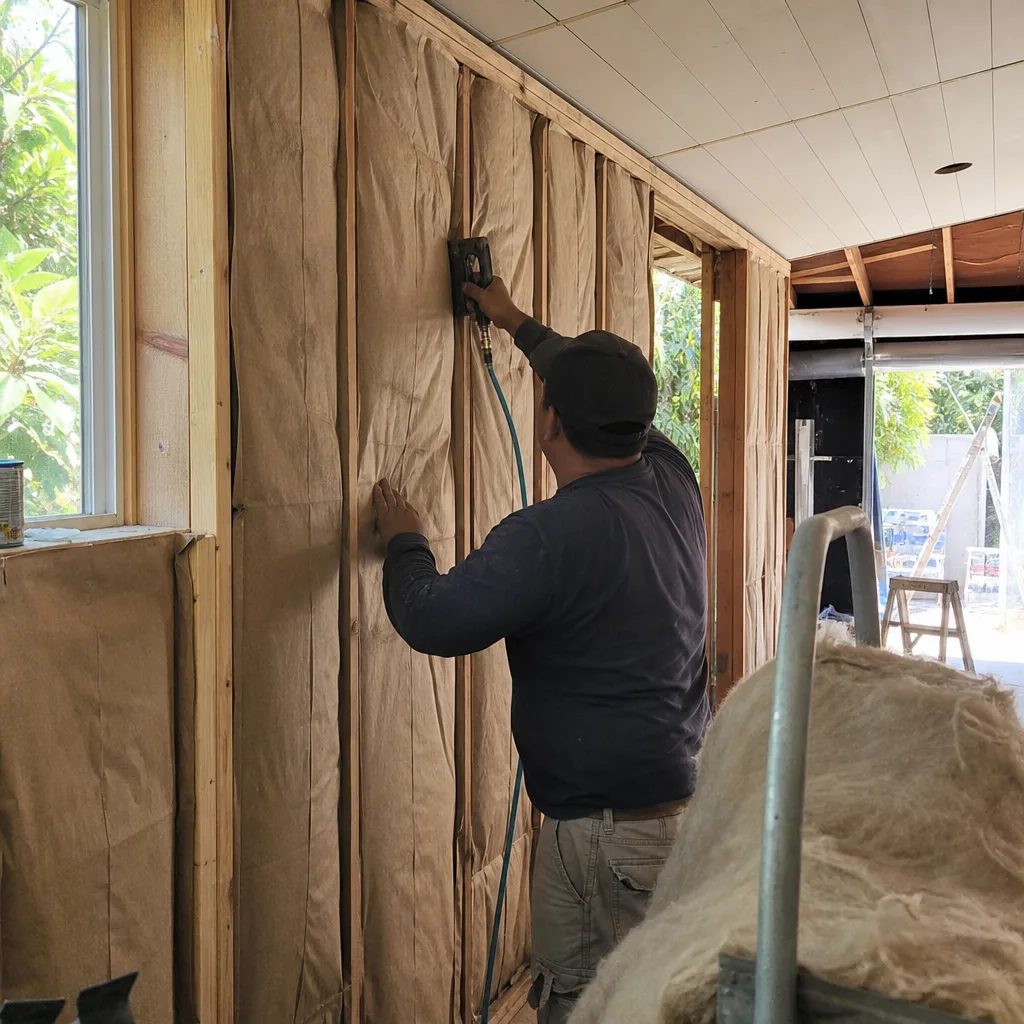
| Batt insulation for walls (per square foot) | $1.20 – $2.50 |
Two things drive price upward in Rolling Hills Estates more than anything else. First is moisture remediation, because damp insulation has to come out before new material goes in. Second is access, since hillside lots and steep rooflines make some attics genuinely harder to work in. We use upfront pricing, so the number we quote is the number you pay.
Neighborhoods We Serve in Rolling Hills Estates
We cover all of Rolling Hills Estates, including the gated communities, the mid-century ranch tracts, and the canyon-edge homes along the Peninsula. Here are some of the neighborhoods we work in regularly:
- Rolling Hills Estates city center
- Palos Verdes Drive North corridor
- Silver Spur area
- Hillside estates above Portuguese Bend
- Canyon-edge homes near the equestrian zones
For most Rolling Hills Estates jobs, we can have a technician on site within 48 hours of your call. Emergency moisture issues get same-day or next-day attention when we have a crew available.
Service Area – Cities Near Rolling Hills Estates
While this page focuses on Rolling Hills Estates, our crews work throughout the South Bay and Peninsula. We regularly serve Palos Verdes Estates, CA just down the hill, Torrance, CA to the east, Lomita, CA nearby, and Manhattan Beach, CA up the coast. Each area has its own climate quirks, and we adjust our recommendations accordingly.
Serving Rolling Hills Estates, CA — Our Local Coverage Area
We’re based in the Rolling Hills Estates area and know this community well. Use the map below to see our service coverage — if you’re nearby, we can almost certainly help.
FAQs About Insulation Company in Rolling Hills Estates
Most Rolling Hills Estates projects start within two to five business days of your estimate. We keep material for the common Peninsula scenarios stocked locally, so small attic blow-ins can often be scheduled faster. Call (866) 605-6949 to check current availability.
Most Rolling Hills Estates HOAs focus on exterior appearance, and attic insulation is an interior modification that rarely requires approval. If your project involves roof deck spray foam or visible exterior changes, we recommend checking your HOA rules first. We have worked in most of the gated communities here and can advise on the process.
Yes. The coastal fog drives moisture into attics through vents and gaps, and that moisture condenses on cool sheathing. Over time, damp insulation loses R-value and can grow mold in rafter bays. Peninsula homes need vapor-conscious material choices and proper venting, not just more insulation. We inspect for this on every Rolling Hills Estates job.
What happens when you call
- 1A real person answersNo phone trees — talk to a local insulation pro.
- 2You get an upfront price rangeHonest numbers before anyone is dispatched. No surprises.
- 3A background-checked tech heads outLicensed & insured, typically within 30–60 min.
- 4You approve before work beginsNothing starts until you say go.
What Rolling Hills Estates Customers Say
"Attic was at maybe R-11 from the 1970s and blown in over the top would have just buried the problem. They removed the old material, air sealed the top plates and penetrations first, then blew in to R-49. The upstairs is a completely different house in August."
— Cole Sullivan"Found and sealed a gap around the chimney chase that was basically an open chimney to the attic."
— Brandon Wong"Work is good and the house is noticeably more comfortable. There was insulation debris left in the hall closet under the attic access that I had to clean up."
— Miguel Garcia