Fast, Reliable Attic Insulation Across Corona
Attic insulation in Corona isn’t a coastal job. It’s an Inland Empire thermal-load problem, and it demands a different approach than what works in Long Beach or Orange. Most Corona attics hit 140 – 150°F by mid-afternoon in July, and that heat cooks whatever insulation is up there, especially in the older 1950s – 70s tract homes that dominate the downtown core. Hollywood Insulation Co works in Corona every week. Our crews know the 92882 hallway-scuttle attics, the 92883 foothill cathedral ceilings, and everything in between. If your energy bills climb every summer and your upstairs rooms won’t hold temperature, call (866) 605-6949. We’ll diagnose what’s actually happening in your attic, not just guess from the driveway.
Why Hollywood Insulation Co Is Corona’s Preferred Attic Insulation Company
We’re a dedicated Attic Insulation specialist, not a general contractor who does insulation on the side. That single focus matters in a city like Corona, where the housing stock splits hard between mid-century single-story ranches and newer two-story subdivisions, each with very different attic problems. Our technicians work exclusively in this trade, so when they open a Corona attic and find sun-baked R-11 batts compressed to half an inch, they know exactly what that means and what to do about it.
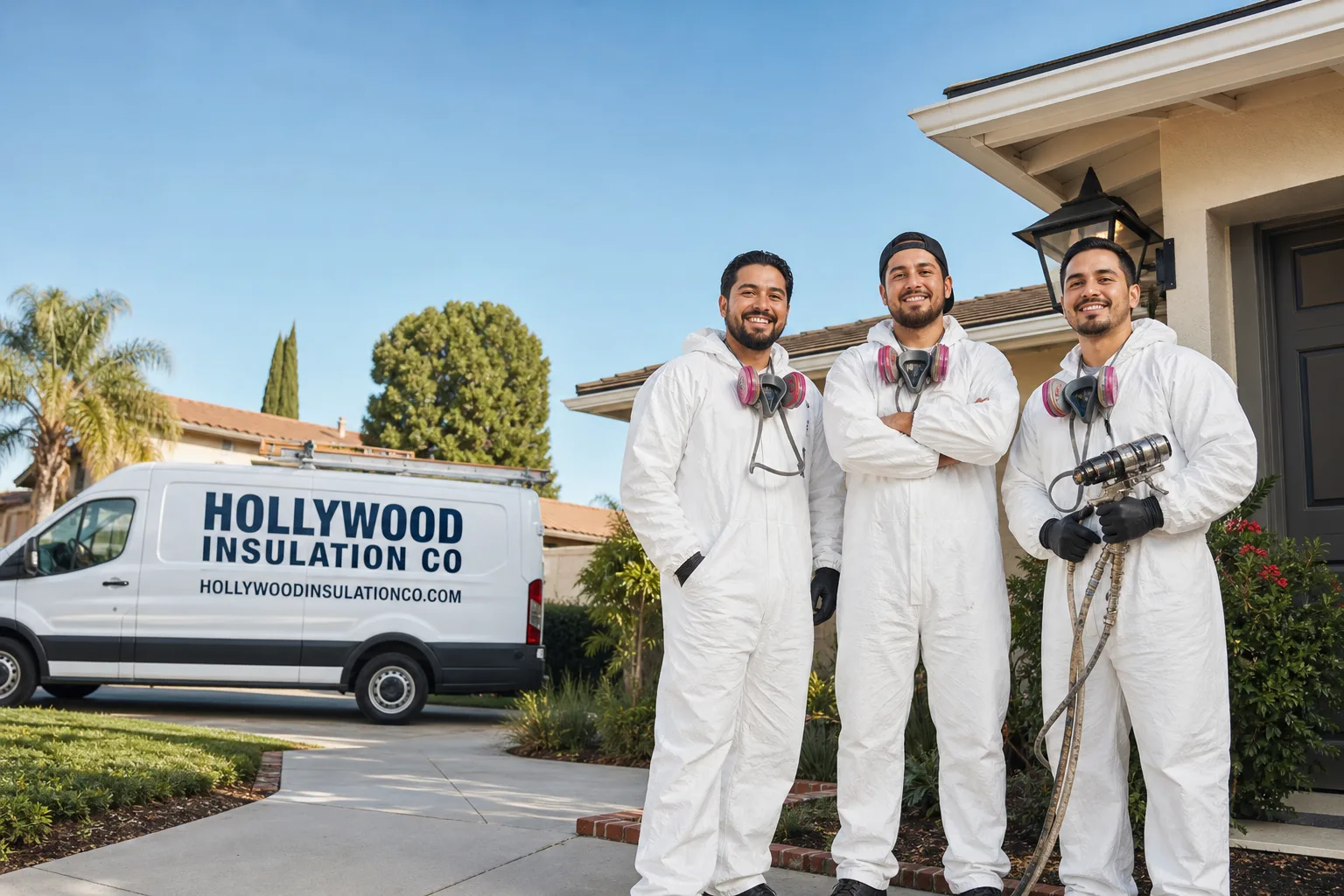
Corona homeowners call us because we show up with a plan, not a pitch. We carry eight manufacturer brands, including Owens Corning, Icynene, and Demilec, which means the insulation we recommend is the one that actually fits your attic, your roofline, and your energy goals. Noel Camacho, who leads our team, has spent years diagnosing Inland Empire attic failures, and the crews he sends to Corona know the local housing stock well enough to anticipate problems before they even pull the scuttle cover down.
We respond to Corona calls fast. Most estimates happen within a day or two, and we’ll give you a straight answer on cost without making you sit through an hour-long presentation.
Attic Cleaning Services in Corona
Attic Cleaning Services in Corona often means dealing with decades of accumulated dust, rodent droppings, and disintegrated insulation fibers that have been baking in 140°F heat since the Nixon administration. Older homes in the 92879 and 92882 ZIP codes frequently have attics that haven’t been opened in 20 or 30 years. Before any new insulation goes in, that space has to be cleared, sanitized, and prepped, otherwise you’re just burying the problem under fresh material.
Full Attic Cleanout and Sanitizing
We remove all old insulation, vacuum the deck, sanitize surfaces, and dispose of everything properly. This is a dirty, physically demanding job. A typical Corona ranch home with 1,200 – 1,500 square feet of attic space runs $1,200 – $2,400 for a full cleanout, depending on access difficulty and how much debris is up there. Narrow hallway scuttles, which are common in the downtown tract homes, add time because everything has to go in and out through a 22-inch opening.
Debris Removal and Air-Seal Prep
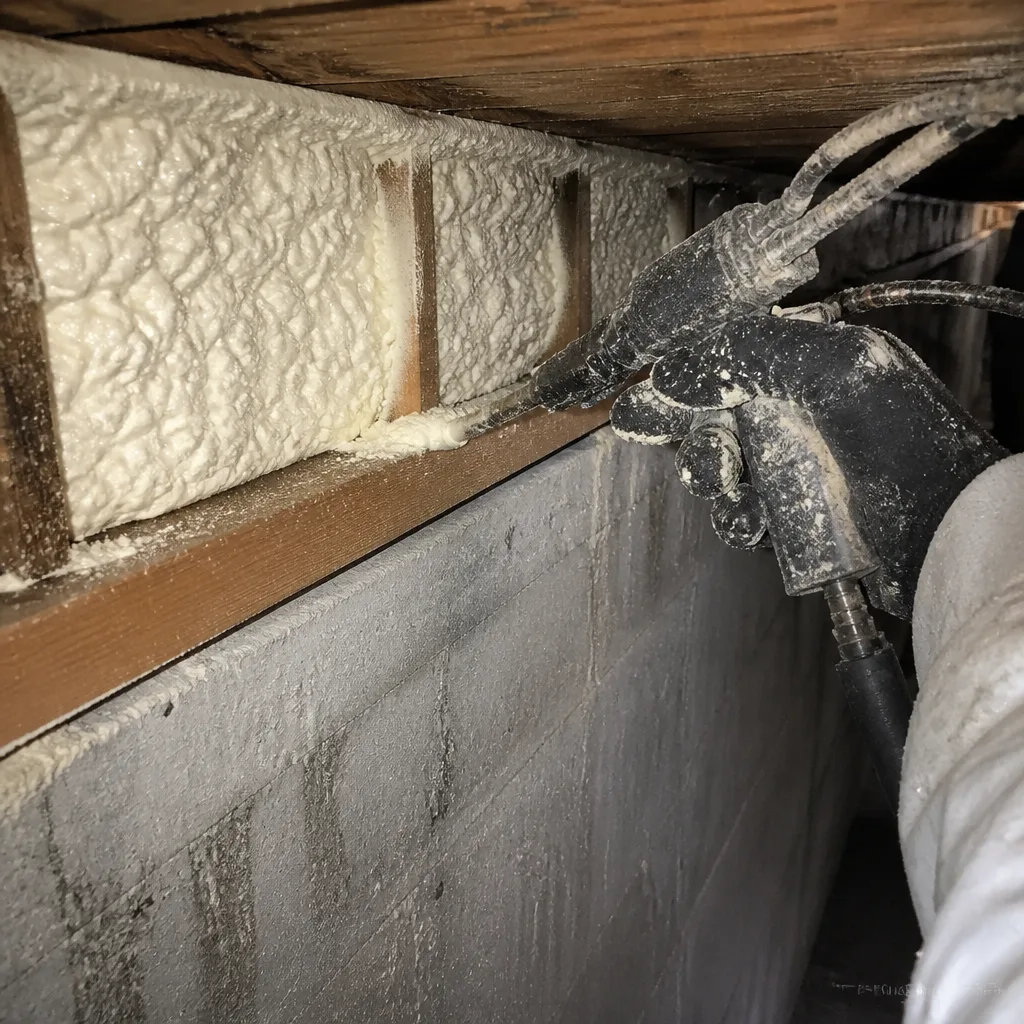
Once the old material is out, we can see the top plates, can light housings, and plumbing penetrations that leak conditioned air into the attic. Air-sealing before reinsulating is the single biggest performance upgrade most Corona homes need, and it can’t be done properly without a clean working surface.
What happens when you call
- 1
A real person answersNo phone trees — you reach a local pro.
- 2
You get an upfront price rangeHonest numbers before anyone is dispatched.
- 3
A background-checked tech heads outLicensed & insured, dispatched right away.
- 4
You approve before work beginsNothing starts until you say go.
Attic Mold Removal in Corona
Attic Mold Removal in Corona is a real thing, and it’s most common in homes where bathroom fans vent directly into the attic or where soffit vents are blocked by old insulation. The heat alone doesn’t cause mold. What causes it is moisture trapped in a hot, stagnant attic space, which is exactly what happens when a 1960s Corona home has an improperly vented bathroom fan blowing humid air into a 140°F attic. The mold grows on the underside of the roof deck, and it spreads fast.
Mold Treatment and Surface Remediation
We treat affected framing and decking with a professional-grade antimicrobial, then address the root cause: the ventilation problem or exhaust fan routing that created the moisture in the first place. A typical mold remediation in a Corona attic runs $800 – $2,000 depending on affected square footage and whether the sheathing needs replacement. If you see dark staining on the roof deck or smell mustiness when you open the scuttle, call (866) 605-6949 before it gets worse.
Ventilation Correction for Moisture Control
After the mold is addressed, we fix the ventilation so it doesn’t return. That often means adding soffit baffles, correcting exhaust fan terminations, or balancing intake and exhaust airflow. This isn’t a bolt-on service for us. It’s part of the same attic system, and skipping it means the mold comes back within a year.
Trusted Brands We Service in Corona
We install insulation systems from Owens Corning, Johns Manville, CertainTeed, Rockwool, Icynene, Demilec, and GreenFiber, and we stock the materials Corona jobs need most: high-R blown-in fiberglass, open-cell foam for air sealing, and mineral wool for fire-resistance applications near the foothills. Because insulation is all we do, our installers know these systems cold. We’re not learning on your attic. For Corona customers, that means faster turnaround, clean installations, and the right product for this city’s specific thermal demands.
Common Attic Insulation Problems We See in Corona Homes
- Sun-baked R-11 batts in 1950s – 70s tract homes. In the 92879 and 92882 areas, original fiberglass batts have often compressed to under an inch after 50+ summers of 140°F+ attic heat. They’re doing almost nothing, and many homeowners don’t know it until the July electric bill arrives.
- Radiant-heat gain in foothill homes with cathedral ceilings. The 92881 and 92883 subdivisions near the Santa Ana Mountains have larger attic footprints and vaulted ceilings that transfer radiant heat straight into living space. Under-rated insulation in these homes creates hot spots that no amount of AC runtime fixes.
- Air leaks bypassing whatever insulation exists. Narrow hallway scuttles and low-clearance attics in older single-story homes make air-sealing difficult, so most older insulation jobs never addressed the leaks. Air bypasses the insulation entirely, which is why many Corona homes still feel drafty with R-30 batts in place.
- Uninsulated attached garages pulling heat into the house. Slab-on-grade construction with attached garages is standard across Corona’s subdivisions, and many garages have zero insulation above them. That uninsulated ceiling acts as a heat exchanger, raising the temperature of adjacent living spaces all summer.
Pricing for Attic Insulation in Corona, CA
Here’s what you’ll actually pay in Corona, based on the homes we’ve done here in the last two years. A straightforward blown-in top-up to R-49 over an existing 1,200-square-foot attic typically runs $1,600 – $2,600. A full attic cleanout with air sealing and new R-49 blown-in insulation runs $3,200 – $5,500 for the same footprint. Spray foam in a Corona attic, whether Icynene open-cell or Demilec closed-cell, runs $4,500 – $8,000 depending on roof geometry and target R-value. Attic mold remediation adds $800 – $2,000 if it’s discovered after cleanout. Call (866) 605-6949 and we’ll give you a fixed quote. Estimates are free.
We Also Serve Cities Near Corona
Hollywood Insulation Co works throughout western Riverside County, and we regularly run crews into Home Gardens, El Cerrito Corona, Eastvale, and Norco. If you’re in any of those communities and need an Attic Insulation in Corona specialist who understands Inland Empire thermal loads, call us. Same team, same brands, same direct pricing.
Serving Corona, CA — Our Local Coverage Area
We’re based in the Corona area and know this community well. Use the map below to see our service coverage — if you’re nearby, we can almost certainly help.
FAQs About Attic Insulation in Corona
Yes, and we do it regularly in Corona’s older tract homes. A 22-inch scuttle is tight but manageable. We bag and remove all old insulation through that opening, then send a technician up to air-seal top plates, can lights, and plumbing penetrations. It takes longer than a walk-up attic, which adds some labor cost, but it’s absolutely doable. Call (866) 605-6949 and we’ll tell you straight what your specific attic will take.
It changes the priorities entirely. Coastal attics rarely exceed 110°F, so standard R-30 batts perform fine. Corona attics routinely hit 140 – 150°F, which degrades fiberglass more quickly and makes radiant-heat control as important as R-value. We typically recommend R-49 blown-in fiberglass for flat attics and radiant-barrier or spray-foam options for cathedral ceilings. The insulation has to survive here, not just exist.
We see it, and it’s almost always a moisture problem, not a heat problem. The most common cause in Corona homes is a bathroom exhaust fan that terminates in the attic rather than outside. Hot, humid air hits the cooler roof deck at night, condenses, and mold grows. The heat accelerates it, but the moisture starts it. We fix the mold and the ventilation source together.
Yes. Cathedral ceilings in 92881 and 92883 homes have minimal attic cavity space, often just 2×8 or 2×10 rafters. That leaves little room for conventional batts, and whatever’s in there is typically under-rated for Corona’s heat. Spray foam is usually the right answer for these rooflines, either Icynene open-cell for air sealing or Demilec closed-cell for higher R-value in a thin cavity. We’ll inspect and tell you what’s actually up there.
We install Owens Corning, Johns Manville, CertainTeed, and Knauf fiberglass; Rockwool mineral wool; Icynene and Demilec spray foam; and GreenFiber recycled cellulose. The brand depends on the application. For a flat attic over a 1960s ranch, Owens Corning blown-in fiberglass at R-49 is a standard recommendation. For a cathedral ceiling, Icynene or Demilec foam works better. Call (866) 605-6949 for a recommendation based on your actual attic, not a brochure.
Written by Noel Camacho, Owner at Hollywood Insulation Co, serving Corona attics with the right insulation method for every home’s actual needs.