Fast, Reliable Attic Insulation Across Highland
Attic insulation in Highland is a heat-gain problem first and everything else second. Summer design temperatures push past 100°F, roofs bake under unshaded sun, and attics routinely hit 150°F or more on July afternoons. That heat doesn’t stay in the attic. It bleeds into living space, drives AC run times through the roof, and turns upstairs bedrooms into ovens by 4 p.m. We’re Hollywood Insulation Co, a dedicated insulation specialist, and we’ve spent years diagnosing and fixing exactly this problem across 92346. Call (866) 605-6949 for a free estimate that accounts for your home’s actual heat load, not a one-size-fits-all guess.
Why Hollywood Insulation Co Is Highland’s Preferred Attic Insulation Company
Highland’s housing stock is specific. Most homes in 92346 were built between the 1950s and 1980s as wood-frame tract houses with low-pitched composition-shingle roofs. Many still carry original R-11 batts that have been compressed, disturbed, or simply overwhelmed by decades of Inland Empire heat. We know those attics. We know what a 1960s tract home near Baseline looks like from the inside, and we know what it takes to bring it current. Our Attic Insulation team works in Highland regularly, not occasionally, and we stock what those jobs need: GreenFiber cellulose for blown-in retrofits, Owens Corning batts for cathedral or vaulted ceilings, and radiant barrier systems designed for solar heat gain.
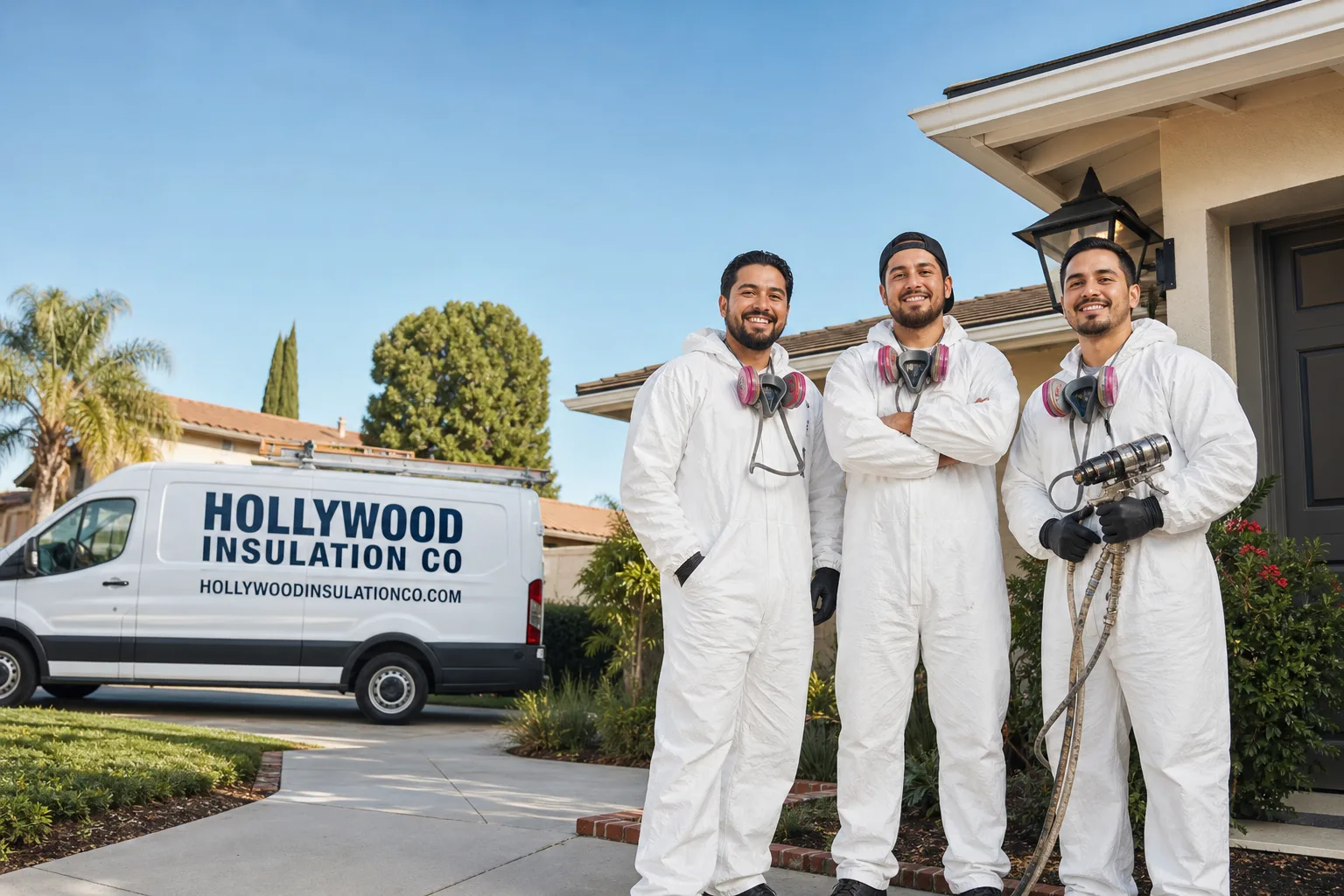
Noel Camacho leads our crews, and he’s particular about method-matching. When we show up at a Highland home, we’re not there to sell whatever’s on the truck. We carry eight manufacturer brands spanning every major insulation category, so the recommendation comes from the house, not inventory. If a foothill-edge home needs open-cell Icynene for air sealing plus a radiant barrier, that’s what we spec. If a 1980s tract house just needs an attic top-up and can-light sealing, we don’t oversell spray foam. That’s the difference between a specialist and a general contractor who does insulation on the side.
Response time to Highland is same-day or next-day for most estimate calls, and we respect the heat. Nobody wants to wait three weeks for an attic fix in August.
Radiant Barrier in Highland
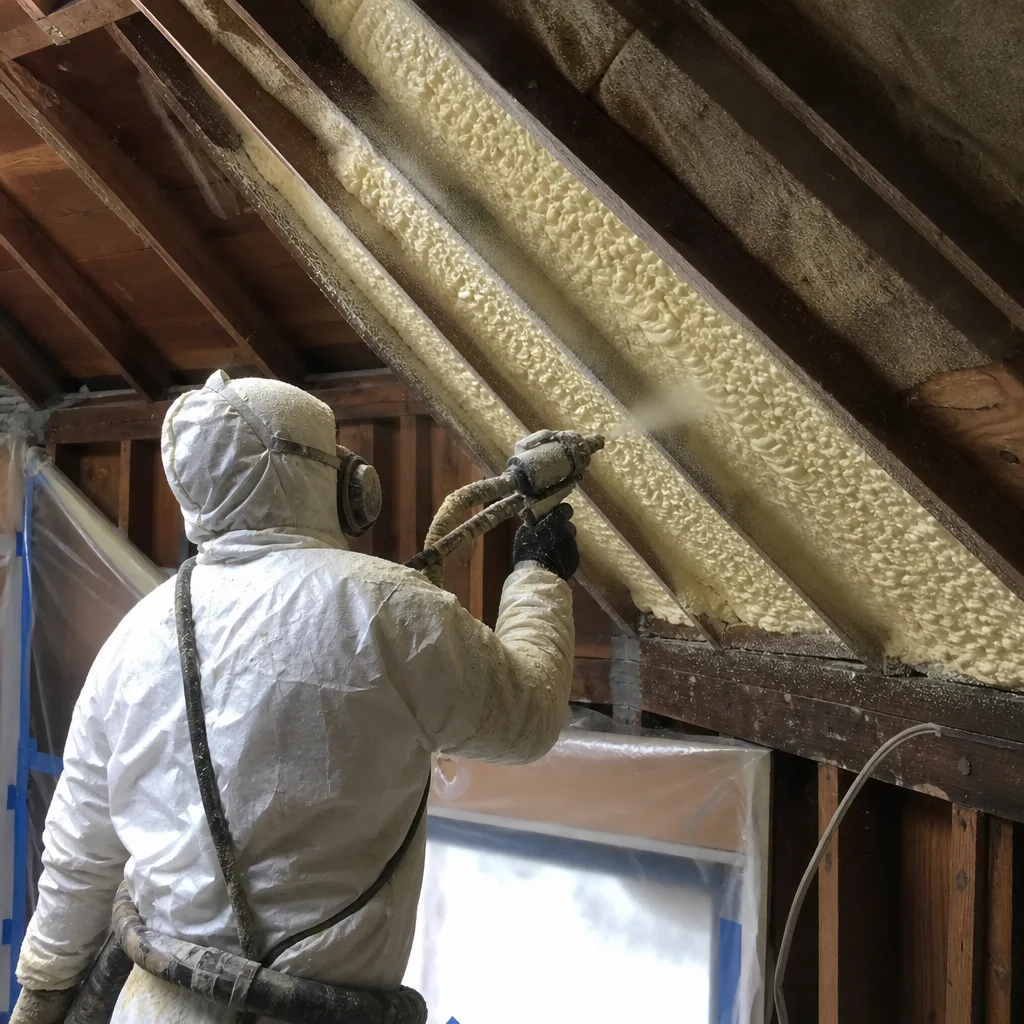
Radiant Barrier in Highland is the single most effective attic upgrade for 92346 homes, because it attacks the actual problem: solar heat gain through unshaded composition-shingle roofs. Highland sits on the hot, dry east side of the San Bernardino Valley at the base of the foothills. Winter is mild. Cold-climate heat retention barely matters here. What matters is stopping the sun’s energy before it turns your attic into a convection oven and your AC into a marathon runner.
For Highland homeowners, a radiant barrier retrofit typically runs $1,400 to $3,200 depending on attic square footage and whether we’re stapling it to the underside of the roof deck or installing it over existing insulation on the attic floor. It’s most cost-effective when paired with air sealing and an insulation top-up, because the barrier reflects radiant heat while the insulation slows conductive and convective heat transfer. One without the other leaves a gap.
When a Highland home needs it
Homes near the base of the San Bernardino Mountains, east of the 210 and north of the 10, sit directly in the sun’s path with little shade. If your upstairs rooms run 10 to 15 degrees hotter than downstairs on summer afternoons, or if your AC never cycles off between 2 and 7 p.m., your attic is feeding heat into the house. Radiant barrier stops that transfer at the source.
What the job involves
We inspect the attic first, checking rafter bays, existing insulation depth, can-light sealing, and ventilation. Then we install the barrier across the roof deck with proper air gaps, seal any bypasses, and verify the result. It’s a one-day job for most single-story Highland homes.
Attic Cleaning Services in Highland
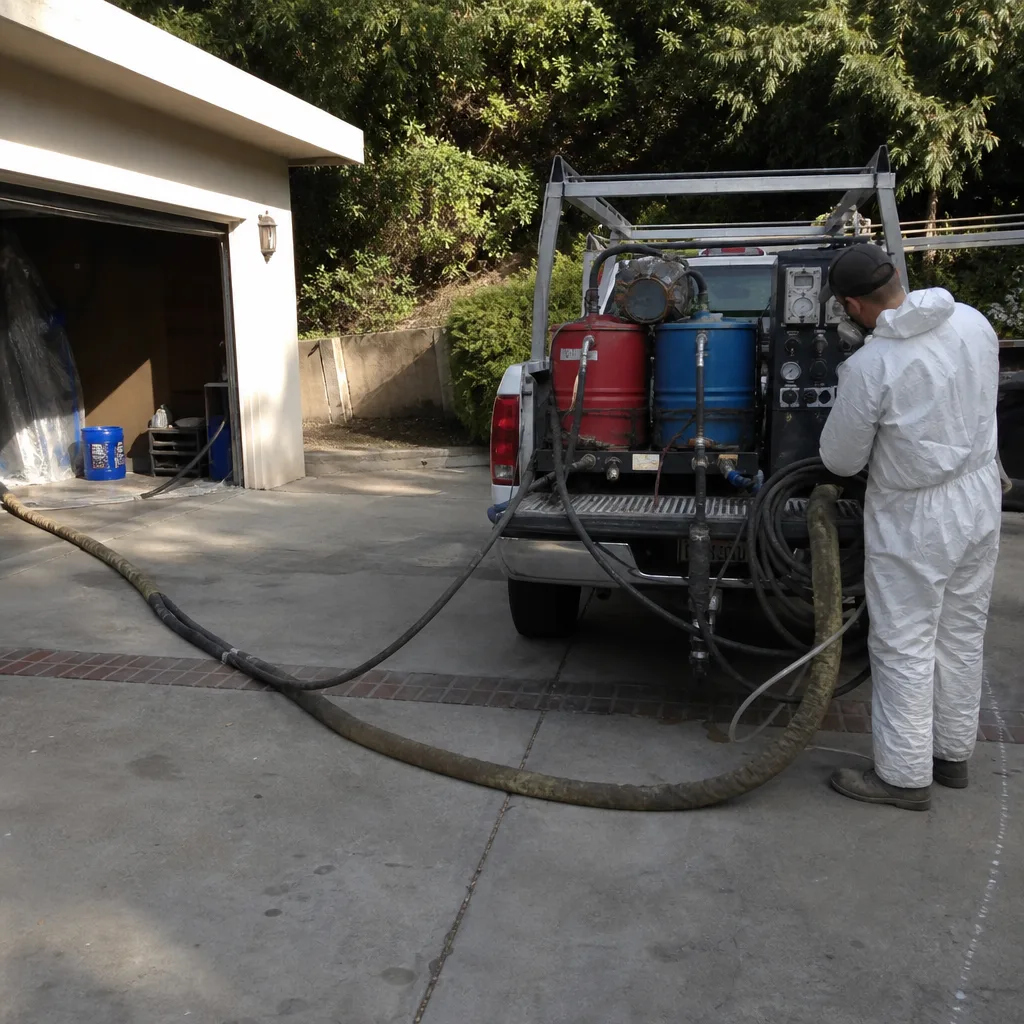
Attic Cleaning Services in Highland are about more than tidiness. Foothill winds and periodic Santa Ana events push dust, pollen, and fine particulate matter into attics through soffit vents and gable openings. Highland sits at the base of the San Bernardino Mountains, right where those winds funnel down-canyon, and the dust load is real. Old insulation gets contaminated. Rodent activity leaves droppings. And before we install new blown-in insulation or air sealing, the attic needs to be clean or you’re sealing contamination in place.
Attic cleaning in Highland typically runs $900 to $2,400. The range depends on attic size, contamination level, and whether old insulation needs full removal. A straightforward cleanout for a 1970s tract home with no rodent history runs on the lower end. A heavily soiled attic with old batt removal and sanitization runs higher.
Why cleaning matters before insulation
Blowing new GreenFiber cellulose over dusty, contaminated batts traps allergens and odors under fresh material. The insulation performs, but the air quality doesn’t improve. For homes with 30 or 40 year old insulation, removal and cleaning first gives the new install a clean envelope to work with.
What we see in 92346 attics
Recurring themes: decades of dust packed into fiberglass batts, decomposing paper backing from old insulation, and evidence of roof rats or mice in the eaves. Highland’s older citrus-era homes near the historic core are especially prone to rodent entry through aging roof penetrations and unsealed gable ends.
What happens when you call
- 1
A real person answersNo phone trees — you reach a local pro.
- 2
You get an upfront price rangeHonest numbers before anyone is dispatched.
- 3
A background-checked tech heads outLicensed & insured, dispatched right away.
- 4
You approve before work beginsNothing starts until you say go.
Trusted Brands We Service in Highland
We install products from eight manufacturer brands, and Highland homes see a consistent subset: Owens Corning batts for walls and vaulted ceilings, GreenFiber cellulose for blown-in attic retrofits, and Icynene spray foam when air sealing and R-value need to arrive together. We also carry Demilec closed-cell foam for specific moisture and structural applications. Because Highland’s housing stock is so consistent, we keep these materials staged and ready to go, which means faster turnaround and fewer supply-chain delays. You’re not waiting on a special order from a distributor. If a 1960s tract home needs a specific product, we likely have it on hand.
Common Attic Insulation Problems We See in Highland Homes
- Original R-11 batts in 1950s to 1980s tract homes. These batts were code-minimum when installed, and they’ve been compressed by decades of HVAC and electrical work. The result is large heat-gain gaps across the attic floor, which translates to hot ceilings and overworked AC units.
- Unsealed recessed can lights and top plates. In 100°F summers, hot attic air leaks straight into the living space through unsealed cans and wall top plates. It’s a common problem in older Highland homes and one of the cheapest fixes with the biggest comfort return.
- Solar attic heat gain through low-pitched, unshaded composition roofs. Highland’s roofs get blasted. Without a radiant barrier, the attic can reach 150°F or more, and that heat radiates down into the house for hours after sunset.
- Dust and particulate buildup from foothill winds. Santa Ana events and mountain-funneled winds push fine dust through attic vents, contaminating old insulation and reducing its effectiveness over time.
Pricing for Attic Insulation in Highland, CA
Here’s what Highland homeowners can expect to pay. Attic insulation top-up with blown-in GreenFiber runs $1.25 to $2.40 per square foot, depending on depth needed. Full attic insulation replacement, including old batt removal and disposal, runs $2,700 to $6,500 for a typical 1,400 to 1,800 square foot home. Radiant barrier installation adds $1,400 to $3,200. Attic cleaning, as covered above, runs $900 to $2,400. Variables include attic access, rafter complexity, and whether we’re sealing can lights and top plates as part of the job. Call (866) 605-6949 for a free estimate with exact numbers for your home. No guesswork.
We Also Serve Cities Near Highland
Our crews work throughout the east San Bernardino Valley. We provide Attic Insulation in Highland, and we run the same trucks and same specialists into San Bernardino, Muscoy, Redlands, and Loma Linda on a regular schedule. If you’re in a neighboring city and need an attic that actually stays cool in July, we’re already in your area.
Serving Highland, CA — Our Local Coverage Area
We’re based in the Highland area and know this community well. Use the map below to see our service coverage — if you’re nearby, we can almost certainly help.
FAQs About Attic Insulation in Highland
Highland sits at the base of the foothills on the dry east side of the valley, with little shade and intense summer sun on unshaded composition roofs. Foothill-edge homes routinely see attic temperatures past 150°F in July, which is hotter than what flatter, more landscaped parts of the valley experience. That’s why heat-gain control, not just insulation depth, matters so much here. Call (866) 605-6949 for an attic assessment.
For most Highland homes, the answer is both, but radiant barrier first if you’re picking one. Insulation slows heat transfer. Radiant barrier reflects it before it enters the attic. With 150°F attic temperatures, reflective material does the heavy lifting. A top-up alone helps, but without a barrier, the attic still gets brutally hot. We’ll tell you exactly what your home needs after seeing the roof and attic in person.
Air-seal the can lights and top plates first, then bring the attic up to current Title 24-era levels with blown-in insulation. If the roof is unshaded, add radiant barrier. That’s the standard Highland heat-gain retrofit, and it’s the job we do most often in 92346. Call (866) 605-6949 for a free estimate on your attic.
Yes. Foothill winds and Santa Ana events push fine dust into attics, contaminating old insulation and clogging vents. That’s why attic cleaning before new insulation is common in Highland, especially for homes near the historic core or close to open foothill terrain. We handle the cleaning as part of the retrofit when it’s needed.
Probably. Foothill-edge homes near the base of the San Bernardino Mountains get direct, unshaded sun for most of the day, and their attics run hotter than valley-floor homes. We opened a 1960s wood-frame tract home on a foothill-edge street and found original R-11 batts, a low-slope composition roof, and four unsealed recessed cans. The attic was reading over 150°F in the afternoon. We air-sealed the can lights, laid down a radiant barrier under the roof deck, and blew GreenFiber up to Title 24-era levels. The homeowner’s AC run time dropped noticeably the next week. That’s the standard play for foothill subdivisions in 92346.
Written by Noel Camacho, Owner at Hollywood Insulation Co, serving Highland and the east San Bernardino Valley.