
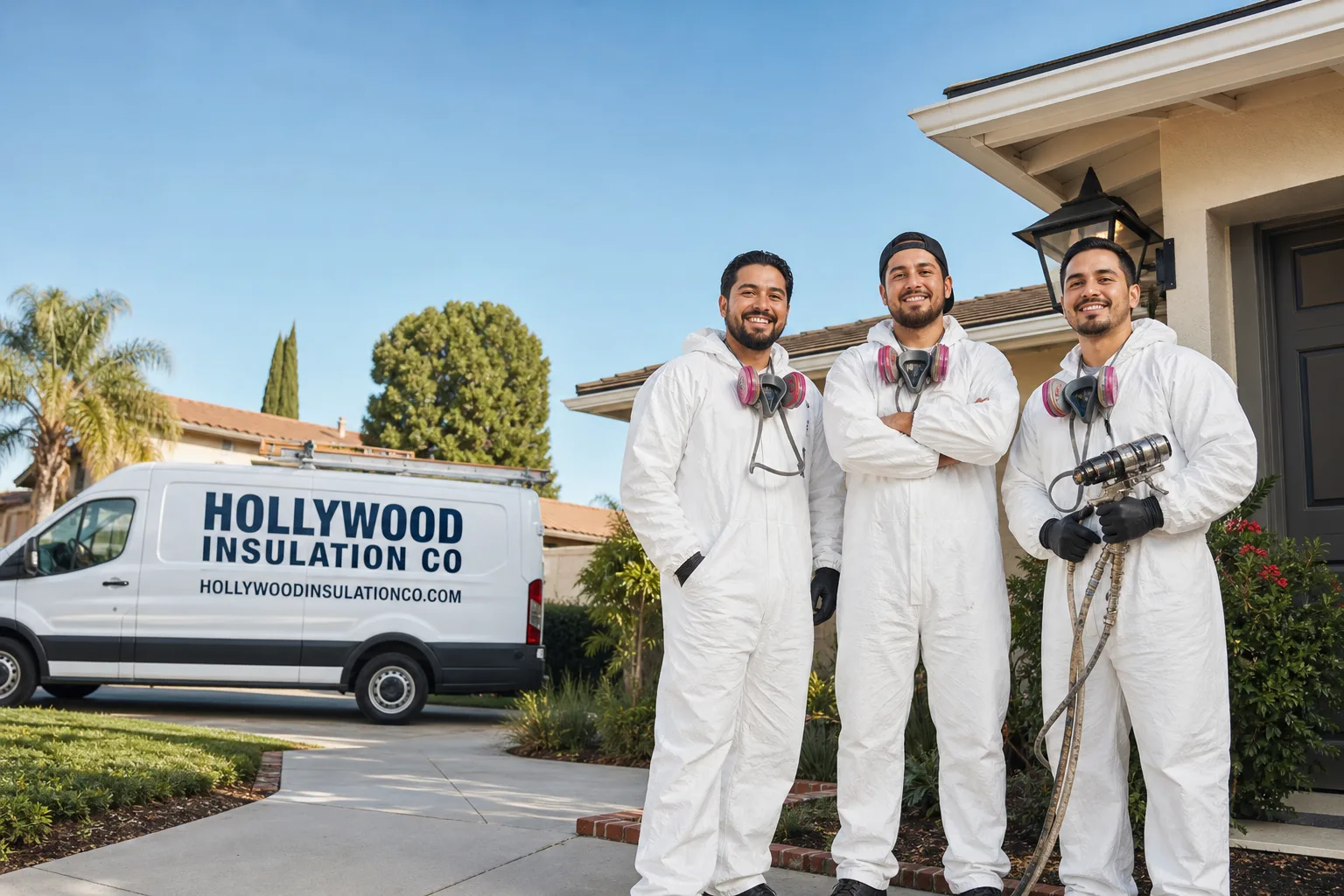
How Much Does Attic Insulation Cost in San Antonio Heights?
Attic insulation in San Antonio Heights typically runs $1,800 to $4,200 for a full replacement on a standard 1,200 to 1,800 square foot home, with top-ups running $900 to $1,600 and attic air-sealing adding $600 to $1,400 depending on how leaky the original build was. Homes in the hillside custom-build sections of San Antonio Heights often land higher because the attic layouts are irregular, the access points are tighter, and the wind-driven contamination means more prep work before new insulation goes in. Call (866) 605-6949 for a free estimate, and we’ll give you a number based on your actual attic, not a square-footage guess.
Fast, Reliable Attic Insulation Across San Antonio Heights
If you live in San Antonio Heights, you already know your attic fights a battle most valley attics don’t. The canyon-mouth winds that sweep down from the San Gabriels push ash, dust, and embers through unscreened vents, while summer sun beats on foothill rooflines hotter than anything down in Upland. When we inspect attics in San Antonio Heights, we’re almost never looking at a simple batt replacement. We’re looking at wind intrusion, fire-zone vulnerabilities, and thermal bypasses all tangled together. That’s the work we do every day. If your energy bills climb every August and your upstairs rooms never quite cool down, call (866) 605-6949. We know these hillside homes, and we know what their attics actually need.
Why Hollywood Insulation Co Is San Antonio Heights’s Preferred Attic Insulation Company
We’re insulation specialists. Not a general contractor who happens to carry a few batts in the truck. Every technician on our crew works in attics all day, every day, and that matters in San Antonio Heights because these attics don’t follow tract-home patterns. Converted garages, additions from three different decades, odd framing angles around hillside setbacks. You learn to spot thermal bypasses fast when it’s the only thing you do.
Our team, led by Noel Camacho, has built a reputation in San Antonio Heights for actually diagnosing the problem before recommending a fix. We carry eight manufacturer brands spanning fiberglass, mineral wool, spray foam, and cellulose, which means the recommendation you get is chosen for your home, not for whatever happens to be on our truck that morning. When a homeowner on Mesa Court needs air-sealing before new batts, we tell them that. When a house off Euclid Avenue needs full contamination removal and fresh blown-in, we spec that. The right method, every time.
Attic Ventilation in San Antonio Heights
Attic Ventilation in San Antonio Heights has to do more than move hot air: it has to keep wind-driven ash and embers out, which is a problem you don’t hear about from valley contractors. In this foothill community, the default soffit-and-gable ventilation on older homes was never designed for the gusts that come down the canyon, and we regularly find attics where unscreened vents have let years of fine ash settle into the insulation, knocking its R-value down well below what the label says it should be. A proper ventilation upgrade here pairs airflow with ember-resistant screening, and it typically runs $450 to $1,100 depending on how many vents need retrofitting and whether ridge vents make sense for the roofline. Noel Camacho and the crew at Hollywood Insulation Co inspect vent-by-vent, because one unscreened gable vent can undo the work of a full insulation replacement.
Ember-Resistant Vent Screening
After a red-flag warning, we get calls from San Antonio Heights homeowners who found ash in their attic, not just on their patio furniture. Ember-resistant vent screening installs over existing gable, soffit, and eave vents with a fine mesh that blocks wind-driven embers while still allowing air to move. For a typical home off North San Antonio Avenue, retrofitting existing vents runs $350 to $850, and it’s the single most overlooked piece of attic prep in this fire-severity zone.
Airflow Correction for Irregular Attics
Many San Antonio Heights homes have additions and conversions that interrupt the original airflow design. A room built over a garage or a closed-off gable end traps heat and moisture in ways the original builder never planned for. We map the air path, clear the blockages, and size new vents to restore the pressure balance. This work averages $500 to $1,200 and it’s often the missing variable when a homeowner swears the insulation has plenty of R-value but the upstairs still bakes.
Radiant Barrier in San Antonio Heights
Radiant Barrier in San Antonio Heights works harder than it does down in the flatlands because it directly addresses the elevated attic temperatures caused by foothill sun exposure and the way heat radiates down through the roof deck all afternoon. In summer, attic temperatures in this area regularly exceed 140 degrees, and a radiant barrier installed on the underside of the roof sheathing blocks that radiant heat before it ever reaches the insulation below. For a typical San Antonio Heights home, a radiant barrier installation runs $1,200 to $2,600, and it pairs especially well with blown-in cellulose or fiberglass upgrades. We install radiant barrier as part of a method-matched system, never as a standalone gimmick, because its value depends entirely on what’s happening with the rest of the attic thermal layer.
Reducing Attic Heat Gain
The upper canyon streets of San Antonio Heights catch more direct afternoon sun than the valley floor, and that solar load transfers straight through the roof structure. A radiant barrier reflects that energy back up before it has a chance to heat the insulation and, eventually, your living space. We’ve measured meaningful temperature drops in attics along Canyon Crest Drive after installation, which translates directly to lower cooling demand in July and August.
Radiant Barrier and Air Sealing Together
Radiant barrier works best when the attic floor is sealed so the heat it reflects doesn’t simply get pulled through gaps around can lights, plumbing penetrations, and wall plates. On a recent job along upper Canyon Crest Drive, we found a mid-century home with original fiberglass batts compressed to R-11 and unscreened gable vents that had let wind-driven ash accumulate in the insulation. We removed the contaminated batts, air-sealed the attic floor with Icynene spray foam, installed ember-resistant vent screening, and blew in GreenFiber to R-38, which also stabilized attic temperatures during the next Santa Ana event. That’s the full picture of what a San Antonio Heights attic upgrade means.
Trusted Brands We Service in San Antonio Heights
We work across three installation methods: Attic Insulation, spray foam, and blown-in, carrying eight manufacturer brands so we can match the solution to the actual need. When we’re in San Antonio Heights, we stock CertainTeed batts for standard replacement work, Icynene and Demilec spray foam systems for air-sealing and R-value performance on irregular hillside frames, and GreenFiber recycled cellulose for blown-in applications where fire resistance and recycled content matter. Having all three methods under one roof means we never have to convince you that the only material we carry is the right one.
Common Attic Insulation Problems We See in San Antonio Heights Homes
- Wind-driven ash contamination: Unscreened gable and soffit vents let canyon-mouth winds push fine ash and dust into the insulation, where it compresses the fibers and cuts thermal performance. This is the most common problem we find in San Antonio Heights attics, and it almost always means removal and replacement rather than a simple top-up.
- Compressed or settled legacy batts: The mid-century and older custom homes that dominate this foothill community often still have their original fiberglass, compacted to half its labeled R-value in irregular attic cavities around additions and converted garages. Checking what’s actually up there, not what the label said in 1962, is the starting point.
- Uneven R-value across irregular layouts: Additions, dormers, and converted garage spaces create attic zones with wildly different insulation depth, leaving hot spots in rooms below. Hot and cold rooms in the same house are a classic tell that the attic needs a method-matched rebalance rather than just more material.
- Skipped air-sealing during previous retrofits: We’ve seen homes in San Antonio Heights where insulation was added on top of leaky attic floors, and the air movement through gaps simply bypassed the new batts entirely. Insulation slows heat conduction, but it does almost nothing against airflow, and in a windy foothill location, that airflow is constant.
Pricing for Attic Insulation in San Antonio Heights, CA
A full attic insulation replacement in San Antonio Heights runs $1,800 to $4,200, a top-up over existing but viable insulation runs $900 to $1,600, and air-sealing adds $600 to $1,400 depending on how many penetrations need foam. Radiant barrier work runs $1,200 to $2,600. Ventilation and ember-screening upgrades run $350 to $1,200. The hillside lots and irregular attic framing common in this area push more projects toward the middle and upper end of these ranges than you’d see in a valley tract neighborhood, because customized layouts take more setup time and more material to fill properly. Every estimate is free, and we’ll walk your attic with you so you understand exactly what you’re paying for. Call (866) 605-6949 to schedule.
We Also Serve Cities Near San Antonio Heights
Our team works throughout the foothill communities and the valley below. We regularly serve Upland, Claremont, Rancho Cucamonga, and Montclair, and we’re familiar with how attic conditions change between the hillside and the flats. If you’re in San Antonio Heights or any nearby community, call (866) 605-6949 for a free attic assessment.
Serving San Antonio Heights, CA — Our Local Coverage Area
We’re based in the San Antonio Heights area and know this community well. Use the map below to see our service coverage — if you’re nearby, we can almost certainly help.
FAQs About Attic Insulation in San Antonio Heights
Because San Antonio Heights sits in a high-fire-severity zone at the base of the San Gabriel Mountains, and canyon-mouth winds drive embers and ash through unscreened attic vents during red-flag events. Ember-resistant screening blocks wind-blown ignition sources while still allowing the airflow your attic needs. Call (866) 605-6949 to have us assess your venting before the next fire season.
Yes, and that’s most of what we do in San Antonio Heights. Older custom homes here have converted garages, additions from different decades, and odd framing angles that make standard batt layouts impossible. We use a combination of spray foam for sealing irregular cavities and blown-in material for even coverage across awkward spaces. Call (866) 605-6949 and we’ll tell you what your specific attic needs.
We recommend R-38 as the practical floor for San Antonio Heights attics, with R-49 preferred for homes with vaulted or cathedral sections that lose heat faster, because the strong winds and elevated summer temperatures here push the load beyond what R-30 can handle. Your house’s existing framing and access will dictate the best way to get there. Call (866) 605-6949 for a free inspection and we’ll give you a target.
A radiant barrier reflects solar heat off the underside of the roof deck before it radiates into the attic air and the insulation below, which is especially valuable in San Antonio Heights where foothill sun exposure pushes attic temperatures past 140 degrees. It reduces the cooling load on your insulation and your air conditioner. Call (866) 605-6949 to see if your attic layout supports a radiant barrier retrofit.
Yes, we replace and upgrade older Owens Corning and Johns Manville batts, and we carry current CertainTeed, Icynene, Demilec, and GreenFiber products to match the right material to your home’s needs. Whether we’re restoring a specific R-value or fully re-specifying the attic, the brand choice comes from the job requirements, not from inventory convenience. Call (866) 605-6949 for a free estimate.
Written by Noel Camacho, Owner at Hollywood Insulation Co, serving San Antonio Heights and the surrounding foothill communities.