
Emergency Attic Insulation Near Me: What Hollywood Homeowners Should Do First
If you just typed “emergency attic insulation near me” into your phone, here’s the straight answer: in most cases, you don’t need emergency insulation installation. You need emergency triage. Wet, damaged, or pest-compromised insulation is usually a symptom of a bigger problem. Fix the source first, dry everything out, and only then replace the insulation. The wrong first call wastes money and can make the real problem worse. If you’d rather not sort this out alone, call us at (866) 605-6949 and we’ll walk you through it.
Here’s the thing nobody tells you when you’re standing under a water stain on your ceiling in the middle of the night: the insulation isn’t the emergency. After a roof leak, the instinct to call an insulation company first is exactly backward. Wet insulation is a symptom, not the primary problem. Installing new insulation before the moisture source is confirmed dry will rot your decking and void your new material’s warranty within 18 months. We’ve seen it happen. It’s expensive. It’s also completely avoidable.
Understanding What “Emergency” Actually Means for Attic Insulation
Let’s be honest about the language. A true insulation emergency in Hollywood is rare. What most homeowners experience is an urgency created by a sudden event: a roof leak during a winter storm, a blown-out ridge vent, a pest invasion, or an HVAC condensate line that failed and soaked a corner of the attic. These feel like emergencies because they are. Just not insulation emergencies.
Wet insulation loses its R-value quickly. Fiberglass batts compress and stop trapping air. Cellulose wads up and holds water like a sponge. But here’s the key distinction: insulation that got wet yesterday doesn’t need to be replaced today. It needs the moisture source stopped, the area dried, and then a professional assessment of whether the material can stay or needs to go. In some cases, mineral wool like Rockwool can be dried in place and retain its performance. In other cases, wet fiberglass or cellulose needs removal. That’s a scheduled decision, not a middle-of-the-night one.
Hollywood’s climate adds another layer. Our hot, dry summers mean an attic that gets wet during a December storm will dry surprisingly fast once the leak is patched, assuming ventilation is adequate. But our mild winters also mean mold can establish itself before you notice a problem if moisture lingers in a poorly vented attic. Timing matters, but it’s measured in days, not hours.
The Correct Triage Sequence After Water Intrusion
When water gets into your attic, the order of operations matters more than speed. Here’s the sequence we recommend to every Hollywood homeowner who calls us in a panic:
- Stop the water at the source. Roof leak? Tarp it or call a roofer. Condensate line? Shut off the HVAC if you can isolate it. Burst pipe? Kill the water. No insulation company should be your first call if water is still entering the attic.
- Document everything. Photos of the wet area, the insulation, the decking. Your insurance company will want this. So will whoever you eventually hire.
- Contain the affected area. If water is dripping through a ceiling below, put down a bucket and a tarp. Move valuables. Don’t poke holes in the ceiling drywall. Water needs a controlled exit path, not a bunch of new ones.
- Get air moving. If it’s safe to access the attic, a fan pointed at the wet area helps. This isn’t a fix. It’s mitigation. It buys you time.
- Call your insurance company early. Water intrusion claims have deadlines. Waiting four days to file because you were “too busy dealing with it” is a common and costly mistake.
- Then call an insulation specialist. After the source is fixed and things are drying, that’s when we can actually help you make decisions about salvage, replacement, and material choice.
We had a call last week from a homeowner in the Hollywood Hills whose roofer told him to “get the insulation replaced immediately” after a small leak. The roofer patched the hole. The insulation was damp in about a 4-foot square area. No mold. No deck saturation. We told him to run a fan for three days and call us back. Three days later, the moisture meter reading was dry. His existing fiberglass batts went back into service. That roofer’s “emergency” would have cost him $1,800 for nothing.
How to Tell If Wet Insulation Is Actually Dangerous
Not all wet insulation is created equal. The honest answer is that you need someone who knows what they’re looking at to give you a real assessment. But here’s what we look for when we arrive at a Hollywood home with water-damaged attic insulation:
Mold colonization timeline: Mold can begin colonizing on wet organic material in 24 to 48 hours under the right conditions. Cellulose insulation, including GreenFiber products, is treated with borates that resist mold and fire, but the wood decking and framing around it aren’t. Damp fiberglass facing paper is a mold buffet. The clock starts when water stops, not when it starts, so drying speed is the variable that matters.
Structural deck saturation: If the roof decking is saturated and soft, that’s a structural concern first and an insulation concern second. Press on the decking with something solid. If it gives or feels spongy, you need a roofing professional to evaluate the deck before anyone touches insulation. New insulation over compromised decking is money burned.
The smell test: Musty odor means microbial activity is already underway. That’s when removal becomes urgent rather than scheduled. A clean, wet smell with no mustiness usually means you caught it early.
Compression and clumping: Wet fiberglass batts lose their loft and never fully recover. If the batts look like they’ve been stepped on by an elephant, they’re done. If they’ve dried and still spring back, they may be salvageable. This is exactly the kind of call that’s better made by someone who works with insulation every day than by a general contractor guessing from a photo.
Before You Call Any Insulation Company: What to Have Ready
Here’s what most Hollywood homeowners don’t know: a good insulation company can often give you a preliminary phone assessment if you have the right information. That saves you the cost of a site visit that ends with “yeah, let’s talk in two weeks.” Before you pick up the phone, gather this:
- When the water intrusion happened. Yesterday? Last week? A month ago and you just noticed? The timeline changes everything.
- The source of the water. Roof leak, HVAC issue, plumbing failure, or condensation. If you don’t know, say that. “I don’t know yet” is a useful answer.
- The size of the affected area. Approximate square footage is fine. “A 10 by 10 section over the hallway bathroom” is more useful than “the attic.”
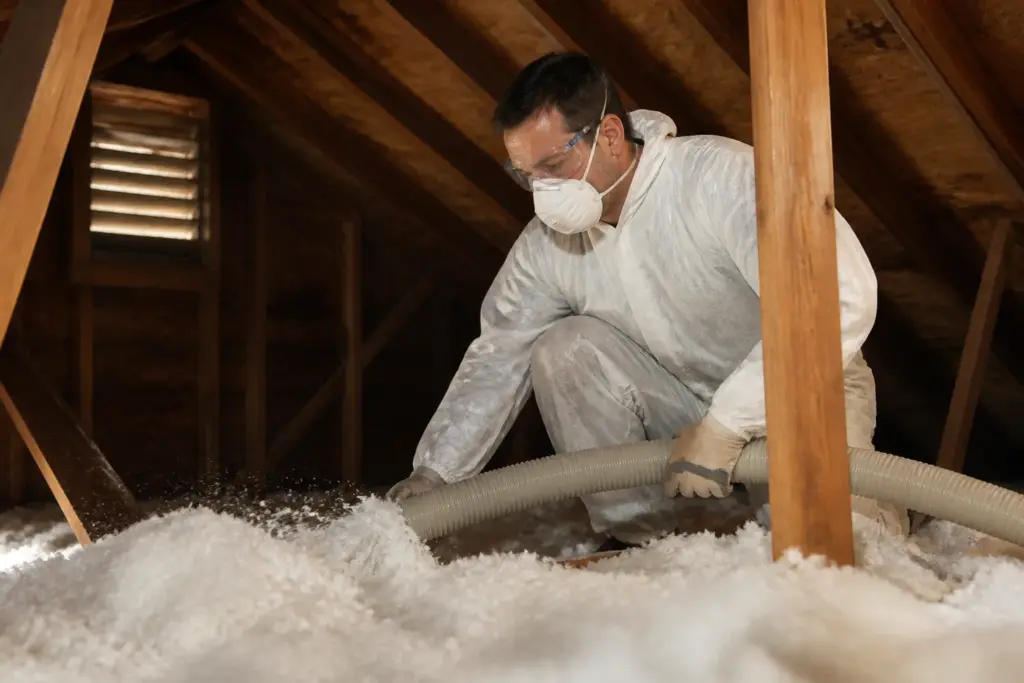
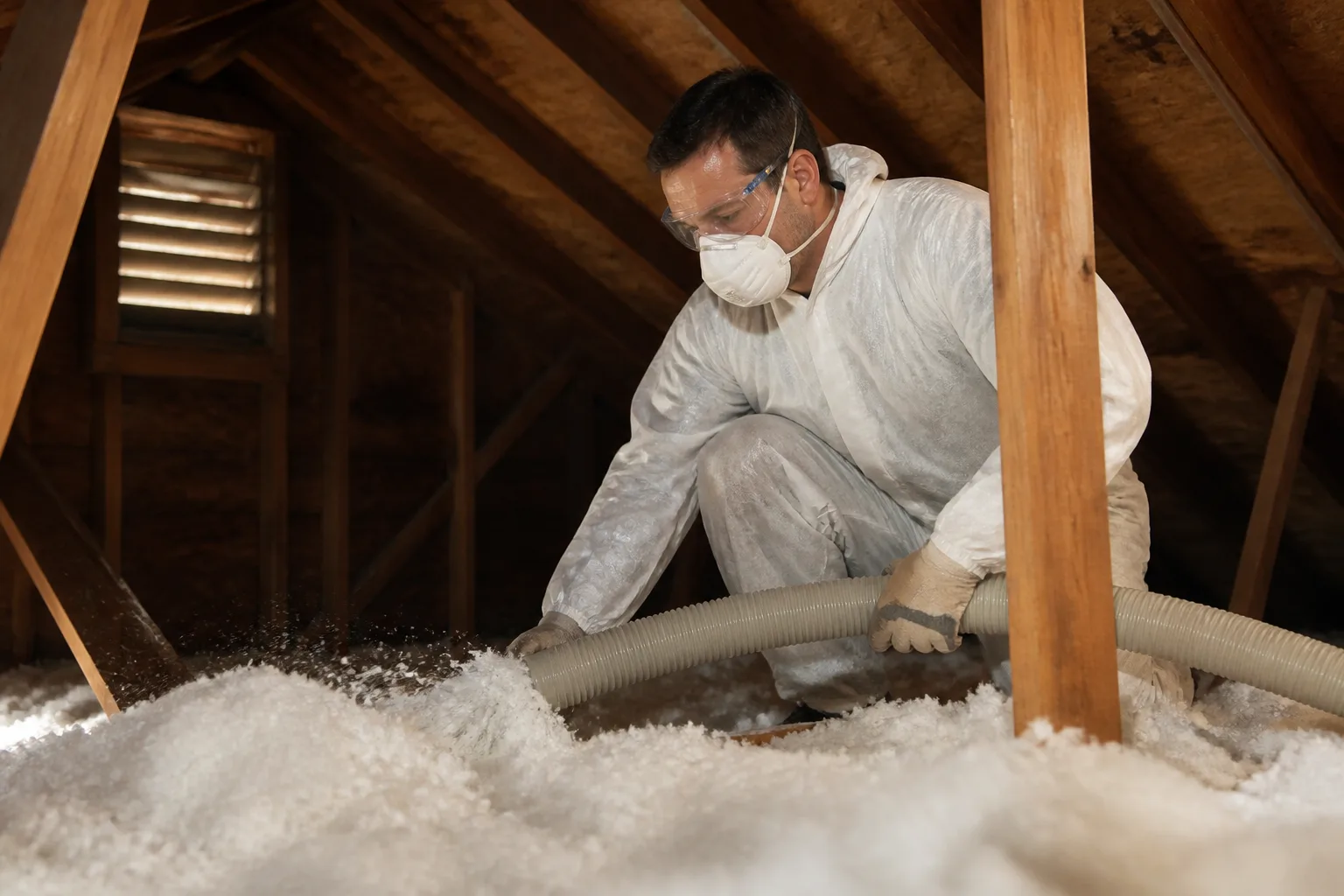
- What type of insulation is currently up there. If you know. Pink fiberglass batts? Gray fluffy stuff? Small white pellets that look like baby’s breath after it’s been through a blender? Check your home inspection report from when you bought the place if you have it.
- Any visible mold, sagging drywall below, or staining. These are severity indicators that help us triage over the phone.
- Whether the area has dried at all. Fan running for two days? Still actively damp? This changes the urgency level significantly.
When someone from our team answers, you’ll get an honest opinion about whether this is a “come out now” situation or a “get it dry and let’s schedule for next week” situation. That’s the kind of phone assessment that respects your time and your budget. Our Hollywood Insulation Co home page covers more of what we do, but the short version is this: we install attic insulation, spray foam, and blown-in. We don’t fix roofs. We don’t do plumbing. And if your problem is a roof, we’ll tell you that before we schedule anything.
When Emergency Response Actually Makes Sense
There’s one scenario where “emergency attic insulation near me” is an entirely reasonable search, and it’s the one homeowners don’t think about until it happens to them: pest intrusion.
Rats, mice, and squirrels love Hollywood attics. Our older housing stock has plenty of entry points, and a warm attic in a mild winter is prime real estate for rodents. When pests get in, they do two things to your insulation: they tunnel through it, destroying its thermal performance, and they saturate it with urine and droppings. That’s not a comfort problem. That’s a health hazard.
If you’ve got a live infestation that has compromised your insulation, here’s where the call order changes:
- Pest control first. Always. There’s no point installing new insulation if the animals are still living up there. They’ll just destroy it again and your new material becomes a very expensive rodent latrine.
- Entry point sealing. After the pests are gone, someone needs to close the door. That’s typically the pest control company’s job or a contractor who specializes in exclusion work. We don’t do this. We’ll wait until it’s done.
- Insulation removal and replacement. Now we’re up. Contaminated insulation needs to come out, the area needs to be cleaned and sanitized, and new material goes in. This is a real project with air sealing considerations, and it’s one of the most common reasons Hollywood homeowners call us.
In this scenario, speed does matter. Pest-damaged insulation sitting in your attic continues to off-gas ammonia from urine, and the longer it sits, the more embedded the odor becomes in wood and drywall. If you’ve got a pest problem that’s wrecked your insulation, call pest control today and call us as soon as you know the removal date. We can often coordinate with your pest control company so the attic is insulated within days of exclusion, not weeks.
When we do replace pest-damaged insulation, the material choice matters. Blown-in cellulose from GreenFiber is an option many Hollywood homeowners choose for attic applications because the borate treatment adds pest and fire resistance. Mineral wool like Rockwool is another choice we carry precisely for situations where homeowners want something that doesn’t invite pests back and adds real fire resistance. If you want to understand the tradeoffs better, check out our pages on Attic Insulation in Hollywood and Blown In Insulation in Hollywood.
What to Do in the First 24 to 48 Hours: Temporary Mitigation That Doesn’t Make Things Worse
Let’s say it’s 11 PM, there’s water in your attic, and you can’t get anyone out until morning. What can you do right now? The answer is usually less than you think, and doing the wrong thing can turn a $500 mitigation into a $3,000 remediation.
What you can safely do:
- Contain the water below. Tarps, buckets, moving furniture. This prevents secondary damage and keeps the scope of the problem from expanding.
- Clear the path. If you have stored items in the attic near the affected area, move them if you can do so safely. Wet insulation dripping onto cardboard boxes full of Christmas decorations creates more work later.
- Improve ventilation if accessible. Open gable vents if you can reach them safely. Cracking the attic hatch and running a fan can help, but be careful: you don’t want to pull fiberglass particles into the living space.
- Take photos. Everything. Before, during, after. Your insurance adjuster will thank you.
What you should NOT do:
- Do not walk on water-soaked drywall or insulation over an open area. You will fall through. This is how we meet people in the emergency room, and we would prefer to meet them in their living room.
- Do not tear out insulation yourself and bag it for disposal without understanding what you’re dealing with. If there’s mold present, disturbing it releases spores into the air. If you have fiberglass, you need proper PPE. This is a case where “just getting it out of there” can spread the problem.
- Do not run a dehumidifier in the attic unless you have power there and know it’s safe. Extension cords through the attic hatch, combined with damp conditions, create electrical safety issues.
- Do not decide the repair is “just insulation” and grab a few batts from the hardware store to patch the spot. Wet decking under new insulation rots faster, not slower, because the insulation trapped the moisture against the wood.
The goal of temporary mitigation is to freeze the problem, not fix it. Keep things from getting worse, document everything, and make your calls in the right order the next morning. That’s how you protect your home and your wallet.
How Hollywood Insulation Co Approaches Water-Damaged and Pest-Damaged Attics
When you call us about an insulation emergency in Hollywood, here’s what actually happens. We ask the questions from the list above. If the water source isn’t fixed, we tell you to fix it first. If you need a roofer or a plumber, we’ll say so. We don’t install insulation over an active leak because that’s not taking care of your home, it’s creating a bigger problem for future you.
Once the source is handled and the area has had time to dry, we schedule a proper assessment. Our technicians work with insulation every day, which means they’ve seen hundreds of attics in Hollywood’s housing stock: the 1920s bungalows in Spaulding Square, the mid-century ranch houses in Beachwood Canyon, the newer hillside construction in the Oaks. That matters because a 1930s attic with knob-and-tube wiring needs a different approach than a 2005 attic with truss framing and ridge vents. The experience shows up in the details: how we air-seal around old recessed cans, how we handle narrow access hatches in older homes, how we work around the venting patterns that older Hollywood houses often have.
Because we’re an insulation specialist rather than a general contractor, this is the only thing we do. That’s not a talking point. It’s the reason we can look at a water-damaged attic and tell you in ten minutes whether your existing batts can be dried or need to go. It’s the reason we know the difference between a pest problem that’s cosmetic and one that’s compromised the thermal barrier. And it’s the reason we carry multiple material options: Owens Corning and Johns Manville fiberglass for standard batt replacements, GreenFiber cellulose and Rockwool mineral wool for special applications, and Demilec spray foam for situations that call for air sealing and moisture management in one step.
If you want to understand the spray foam option specifically, we cover it in detail on our Spray Foam Insulation in Hollywood page. Different materials solve different problems, and the right choice depends on what happened to your attic, not on what we have sitting in the warehouse.
The Bottom Line
If you searched “emergency attic insulation near me” in Hollywood, you’re probably dealing with one of three things: a water intrusion that soaked your insulation, a pest problem that’s destroyed it, or a sudden realization that your attic insulation was never adequate and summer is coming. Only one of those is likely a true same-week emergency, and it’s the pest one.
For water damage: stop the source, dry it out, document it, then call us for an assessment. For pest damage: call pest control first, get exclusion handled, then call us to coordinate removal and replacement. For inadequate insulation that you’ve just discovered: that’s not an emergency, but it is worth fixing before your next Hollywood summer has your AC running non-stop while the upstairs still feels like a sauna. Either way, the first step is a phone call. We’ll give you an honest read on urgency, a straight answer about materials, and a free estimate if the project moves forward.
If you’re in Hollywood and need help sorting out attic insulation, call Hollywood Insulation Co at (866) 605-6949 for a free estimate. No pressure, no upsell. Just a straight answer about what needs to happen and in what order.
Frequently Asked Questions
In most cases, you have days to weeks, not hours. The priority is stopping the water source and drying the area. Once the source is fixed and drying underway, wet insulation can be assessed by a professional who can tell you whether it’s salvageable or needs replacement. The only scenario where speed becomes critical is when you see visible mold growth or detect a musty odor, which indicates microbial activity has already begun. Call (866) 605-6949 for a phone assessment if you’re unsure.
It depends on the material and the extent of saturation. Some materials, like mineral wool, can dry in place and retain their performance. Fiberglass batts may lose their loft when soaked and not recover. Cellulose tends to clump when wet, reducing its R-value and potentially leaving voids in your thermal envelope. A professional evaluation is the only way to know for certain whether your specific situation allows for drying rather than replacement. Our team at Hollywood Insulation Co can make that call during a site visit, and we’ll show you what we’re looking at so you understand the reasoning.
Not usually. The most common DIY mistake is replacing insulation over a moisture source that hasn’t been fully resolved. That traps moisture against your decking, accelerates rot, and means you’ll pay for the same insulation job twice plus a decking repair. The second most common mistake is improper removal of contaminated material, which spreads mold spores and costs more to remediate afterward. The honest math: a professional assessment is less expensive than most DIY repairs gone wrong.
The right answer depends on your attic, your home’s construction, and your priorities. Many Hollywood homeowners choose GreenFiber cellulose for the borate treatment that resists pests and adds fire resistance. Others prefer Rockwool mineral wool for its water resistance, sound control, and the fact that rodents don’t like tunneling through it the way they do fiberglass. Spray foam is another option in certain applications because it seals gaps that pests use as highways. The material should be matched to your situation, not chosen from a brochure. Call (866) 605-6949 and we’ll talk through the tradeoffs for your specific attic.
Written by the team at Hollywood Insulation Co, serving Hollywood since 2018.
Need Insulation Help?
Call Hollywood Insulation Co — licensed & insured, here with fast after-hours help in Hollywood.
(866) 605-6949